
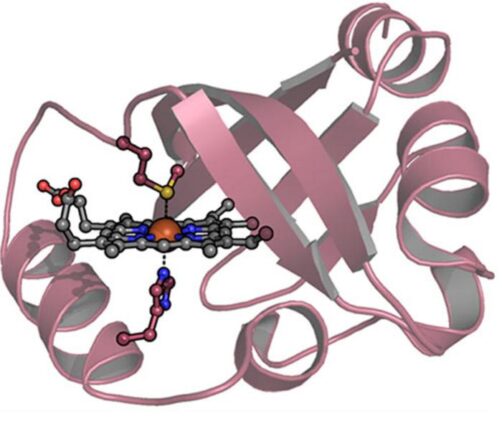
A newly published PNAS study describes a protein-based antidote that could change the way doctors treat carbon monoxide poisoning, a silent killer that sends up to 50,000 Americans to emergency rooms each year.
The engineered molecule, called RcoM-HBD-CCC, acts like a precision-targeted sponge. It latches onto carbon monoxide (CO) molecules in the bloodstream, stripping them from red blood cells and allowing the body to flush them away within minutes. Current oxygen-only treatments can take more than an hour to achieve the same effect, and even then many survivors are left with lasting heart or brain injuries.
Carbon monoxide is invisible, scentless, and impossible to detect without a monitor. This makes it a deadly household hazard, often the result of malfunctioning furnaces, indoor generator use, or vehicle exhaust in enclosed spaces. Once inhaled, CO binds to hemoglobin with 200 to 400 times more strength than oxygen, choking off the body’s oxygen delivery system. The EPA and CDC offer practical prevention tips, but when exposure happens, speedy treatment becomes a race against time.
How the new antidote works
The research team began with RcoM, a bacterial protein evolved to detect trace amounts of CO. By re-engineering RcoM into RcoM-HBD-CCC, they created a molecule with remarkable selectivity for CO over oxygen. In preclinical tests on mice, the antidote:
- Bound CO with extreme strength while avoiding oxygen interference
- Reduced the time to remove half the CO in blood to less than one minute
- Was quickly eliminated in urine
- Did not cause dangerous spikes in blood pressure, a common problem with earlier hemoprotein treatments
This last feature may be its most important safety advantage. Many candidate antidotes also scavenged nitric oxide, a molecule crucial for controlling blood pressure, resulting in hypertension. RcoM-HBD-CCC’s slower nitric oxide reactivity helps sidestep that problem.
Why carbon monoxide is so deadly
Think of hemoglobin in red blood cells as seats on a bus. Oxygen typically rides these seats to deliver life to the body’s tissues. CO forces its way into those seats and refuses to let go. With no oxygen reaching vital organs, cells suffocate from the inside out, and without fast action the damage is swift and irreversible.
“This has the potential to become a rapid, intravenous antidote for carbon monoxide that could be given in the emergency department or even in the field by first-responders,” said Mark T. Gladwin, MD, study lead.
What comes next
The therapy is still in the early stages, and more trials will be needed before ambulances and emergency rooms can carry it. Yet the potential is clear: an intravenous drug that could reverse carbon monoxide poisoning in the same time it takes to pour a cup of coffee. If successful, it could also be adapted for other uses, such as serving as a temporary oxygen carrier for severe anemia or trauma cases.
For now, experts still stress prevention. Install CO detectors, maintain appliances, and know the warning signs: headache, dizziness, nausea, and confusion. When in doubt, get to fresh air and call emergency services. In the near future, the difference between life and death in CO poisoning could hinge on this new protein therapy.
The research is detailed in “Engineering a highly selective, hemoprotein-based scavenger as a carbon monoxide poisoning antidote with no hypertensive effect”, published August 5, 2025 in Proceedings of the National Academy of Sciences.
ScienceBlog.com has no paywalls, no sponsored content, and no agenda beyond getting the science right. Every story here is written to inform, not to impress an advertiser or push a point of view.
Good science journalism takes time — reading the papers, checking the claims, finding researchers who can put findings in context. We do that work because we think it matters.
If you find this site useful, consider supporting it with a donation. Even a few dollars a month helps keep the coverage independent and free for everyone.