Deep in the colon, where there is no oxygen and no light, a bacterium called Faecalibacterium prausnitzii spends its life breaking down the fiber you ate for lunch. It is one of the most abundant microbes in a healthy human gut, and one of the most useful. Strip it out, and the whole neighborhood shifts: less fiber gets fermented, fewer calming compounds get made, and the gut wall starts to fray. In people with lupus, that bacterium is conspicuously missing.
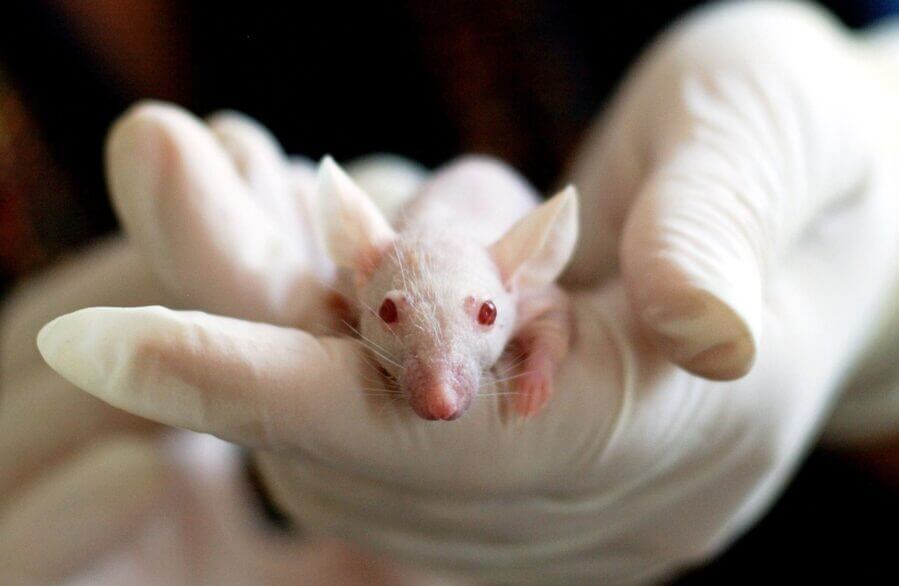
Now researchers at UT Health San Antonio have put it back, at least in mice, and watched the disease retreat. Their study, published in Nature Communications, is being described as the first potential probiotic treatment for lupus.
Systemic lupus erythematosus is an autoimmune disease in which the body turns on itself, inflaming joints, skin, kidneys, the brain, whatever it reaches. Around 1.5 million Americans live with it. There is no cure, and the standard tools (steroids and other immunosuppressants) work by dialling down the immune system wholesale, which brings weight gain, swelling, and a raised risk of infection. Infection, grimly, is a leading cause of death in lupus. So a treatment that nudges the immune system from the gut rather than flattening it everywhere would be a genuinely different kind of medicine.
For about a decade, scientists have known the lupus gut looks wrong. Several bacterial troublemakers had already been fingered as drivers of the disease. What nobody had done was the opposite: find a good bacterium that goes quiet in lupus, return it, and see whether that helps.
The fiber connection
The team, led by Yong Ge and Laurence Morel, focused on a particular strain they call UT1. F. prausnitzii is the gut’s main producer of butyrate, a short chain fatty acid that feeds the cells lining the colon and helps maintain mucin, the slick protective barrier between your gut contents and the rest of you. The bug only makes butyrate when it has fiber to ferment. Take it away and the maths gets ugly fast.
“If you have less bacteria digesting that fiber, you have less short chain fatty acids and a more pro-inflammatory condition,” says Ge.
Working with a mouse strain that reliably develops lupus, the researchers gave the animals UT1 by mouth every couple of days, starting before symptoms appeared. Then they read the gut at three levels at once: which microbes were present (metagenomics), which genes those microbes were actually switching on (metatranscriptomics), and which chemicals all that activity produced (metabolomics). This triple readout, a so-called multiomics approach, mattered because the same metabolite can come from several different microbial routes, and DNA alone tells you who is in the room, not what they are doing. The lupus microbiome, it turned out, had quietly rewired its carbohydrate machinery away from dietary fiber and toward chewing on the host’s own mucin. UT1 pushed it back the other way.
One strain, many effects
And the effects rippled outward. Reintroducing the strain partially restored the balance between regulatory T cells (the immune system’s peacekeepers) and inflammatory Th17 cells in the colon. It tamped down the autoantibodies that define lupus, and it eased damage in the kidneys, the organ that so often pays the price in this disease. Along the way the microbiome started churning out different tryptophan byproducts, indoleacetic and indoleacrylic acids, which happen to be molecules that help keep the immune system calm.
“We were very excited that a single probiotic strain could do such big things,” says Ge.
A note of caution, because this is mouse work and lupus has humbled plenty of promising leads. The exact mechanism is still fuzzy; UT1 seems to work indirectly, by coaxing the rest of the microbiome to digest less mucin and more fiber, rather than by some single clean switch. And F. prausnitzii is a fussy beast. It is exquisitely sensitive to oxygen, going inactive the moment it meets air, and it drains away quickly, so you would need to keep topping it up. It is also not the sort of thing in your supermarket probiotic yoghurt; the beneficial properties are strain-specific, and this strain is not in common over-the-counter products.
“This is the first time in lupus research that we have identified a bacterium that is depleted and when returned, it helps,” says Morel. That framing is the real news here. For years the microbiome story in lupus has been about villains. This flips it: a missing ally, restored.
What comes next is figuring out which exact molecules do the protective work, and whether diet can be tuned to feed the right bugs. The team wants to trace specific dietary carbohydrates all the way through to health outcomes. “We want to put all of this together for a mechanistic, stringent study linking different carbohydrates in the diet with health outcomes,” says Morel. If that thread holds, the prescription for an autoimmune disease might one day start not in a pharmacy, but on a plate.
DOI / Source: https://doi.org/10.1038/s41467-026-71718-z
Frequently Asked Questions
Why does a gut bacterium matter for an immune disease like lupus?
Lupus is driven by an immune system that has lost its sense of restraint, and a surprising amount of that restraint is taught in the gut. F. prausnitzii ferments dietary fiber into compounds that feed the gut lining and help keep inflammatory immune cells in check. When it goes missing, as it does in lupus, that calming influence fades, which is why restoring it had effects reaching all the way to the kidneys.
Could I just eat more yogurt or take a probiotic to get this benefit?
Not really. The benefits here come from one specific strain, UT1, and F. prausnitzii is not found in common over-the-counter probiotics or fermented foods. It is also extremely sensitive to oxygen and disappears from the gut quickly, which makes it genuinely difficult to deliver, and the work so far has only been done in mice.
How does putting back one bacterium change so much at once?
It appears to work indirectly rather than through a single switch. By restoring the gut’s ability to ferment fiber instead of degrading the protective mucin lining, the strain reshapes what the entire microbial community does, shifting the chemicals it produces toward ones that support peacekeeping immune cells and away from inflammation.
What’s stopping this from becoming a lupus treatment for people?
Several things. The results are in lupus-prone mice, the precise protective molecules have not been pinned down, and the bacterium’s fragility makes a practical therapy a real engineering challenge. The researchers’ next step is a stricter mechanistic study linking specific dietary carbohydrates to health outcomes, which would need to hold up before any human trial.