
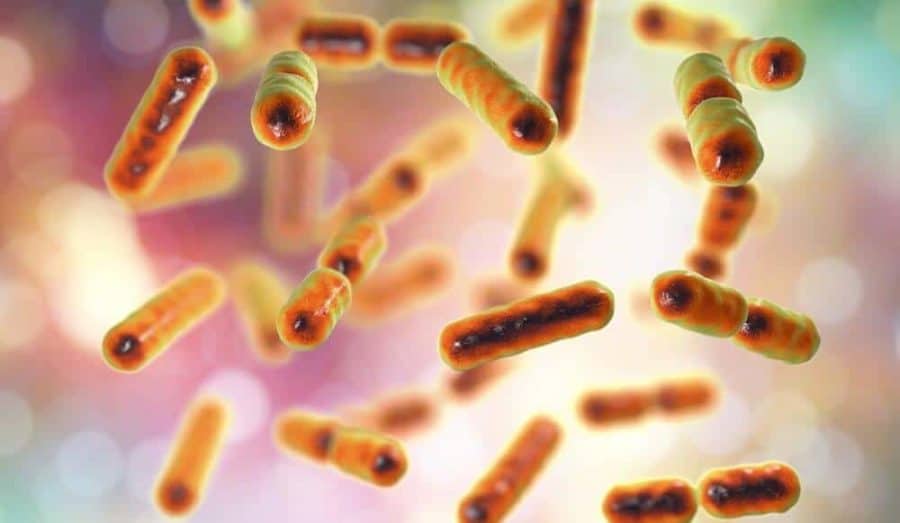
New research published in the Journal of Child Psychology and Psychiatry suggests that the microbial composition of the gut may affect a child’s susceptibility to attention-deficit/hyperactivity disorder (ADHD).
The human gastrointestinal tract hosts a large population of microorganisms such as bacteria, viruses, and fungi. When investigators compared fecal samples from 35 children with ADHD and 35 healthy controls, samples from children with ADHD had higher levels of certain species of fungi and lower levels of other species.
In experiments with cells grown in the lab, one species in abundance in samples from children with ADHD—called Candida albicans—increased the permeability of cells that line the intestine. This could create a “leaky gut” that allows bacteria into the bloodstream, possibly resulting in inflammation throughout the body and brain.
“The human body is home to a complex and diverse microbial ecosystem, and findings from this study suggest that dysbiosis of the fungal mycobiome in ADHD can influence patient health,” the authors wrote.
ScienceBlog.com has no paywalls, no sponsored content, and no agenda beyond getting the science right. Every story here is written to inform, not to impress an advertiser or push a point of view.
Good science journalism takes time — reading the papers, checking the claims, finding researchers who can put findings in context. We do that work because we think it matters.
If you find this site useful, consider supporting it with a donation. Even a few dollars a month helps keep the coverage independent and free for everyone.