
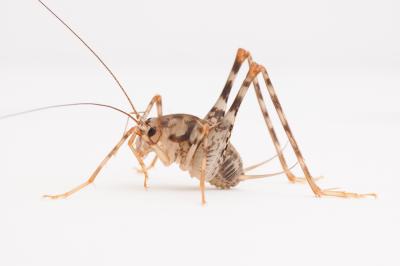
Researchers at the University of Helsinki and LUT University, Finland, have analyzed the extent to which insect protein could help to reduce global warming associated with food consumption in Europe. They have especially focused on insect protein use and soybean-protein use in the production of broilers.
The results support previous research suggesting that insect protein has the greatest potential to reduce the food-related carbon footprints of European consumers, if edible insects – such as crickets, flies, and worms – are consumed directly or processed as food. Preparation methods include eating them fresh, or drying and processing them into flour for use in bread or pasta.
“Our results indeed suggest that it is more sustainable to use insect protein for food rather than to use it to replace soybean meal in animal feed. Yet we found that a shift to using low-value food industry side stream products – such as catering waste or by-products, for example, from fish processing – in insect production for chicken feed is key to decisively increasing the carbon footprint benefits of using insect protein over soybean meal protein,” says Professor Bodo Steiner from the Faculty of Agriculture and Forestry, University of Helsinki, Finland.
All this is important and timely, because as a part of the current climate change debate, concerns have been raised over the increasing deforestation associated with the rapid expansion of global soybean cultivation, which is a major protein source for feeding livestock raised to be food for humans.
ScienceBlog.com has no paywalls, no sponsored content, and no agenda beyond getting the science right. Every story here is written to inform, not to impress an advertiser or push a point of view.
Good science journalism takes time — reading the papers, checking the claims, finding researchers who can put findings in context. We do that work because we think it matters.
If you find this site useful, consider supporting it with a donation. Even a few dollars a month helps keep the coverage independent and free for everyone.