
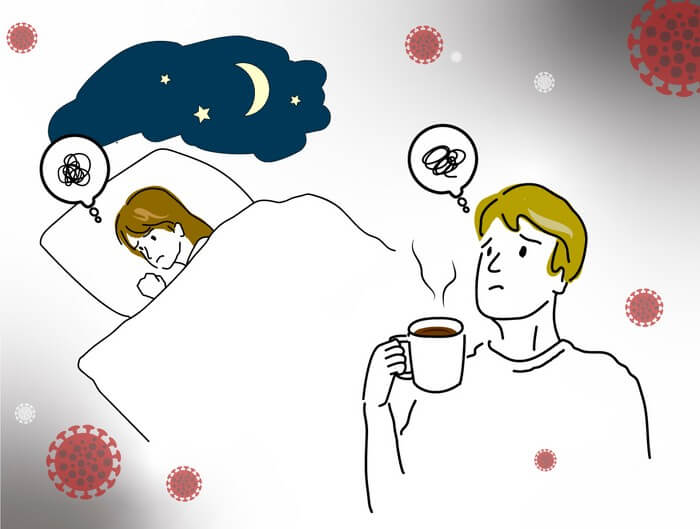
Various long-term effects have been found to occur after infection by the novel coronavirus (COVID-19), and the reality of these lingering symptoms remains unknown. These unknown factors continue to contribute to a general lack of understanding and social unease.
A research group led by Dr. Waki Imoto from the Osaka Metropolitan University Graduate School of Medicine conducted a study at five Osaka hospitals. 285 patients diagnosed with or hospitalized for COVID-19 in 2020, were surveyed to determine the long-term aftereffects.
“At the beginning of 2021, we started research on the aftereffects of COVID-19 through a specialized outpatient clinic that treats people suffering from the aftereffects. We hope that this research will help people understand the aftereffects of COVID-19” said Dr. Imoto.
The results of the survey showed that more than half of the respondents experienced long-term aftereffects, even one year after recovering from their initial COVID-19. The researchers revealed that aftereffects, including fatigue, abnormalities in taste and sense of smell, hair loss, and sleep disorders may persist long after recovering from COVID-19, regardless of the initial infection’s severity.
Even young people, people who are vaccinated, and people who have been previously infected—who are less likely to become severely ill—can still experience these residual aftereffects, making it necessary to continue treating all COVID-19 seriously.
The research results were published online in Scientific Reports on Tuesday, December 27, 2022.
ScienceBlog.com has no paywalls, no sponsored content, and no agenda beyond getting the science right. Every story here is written to inform, not to impress an advertiser or push a point of view.
Good science journalism takes time — reading the papers, checking the claims, finding researchers who can put findings in context. We do that work because we think it matters.
If you find this site useful, consider supporting it with a donation. Even a few dollars a month helps keep the coverage independent and free for everyone.