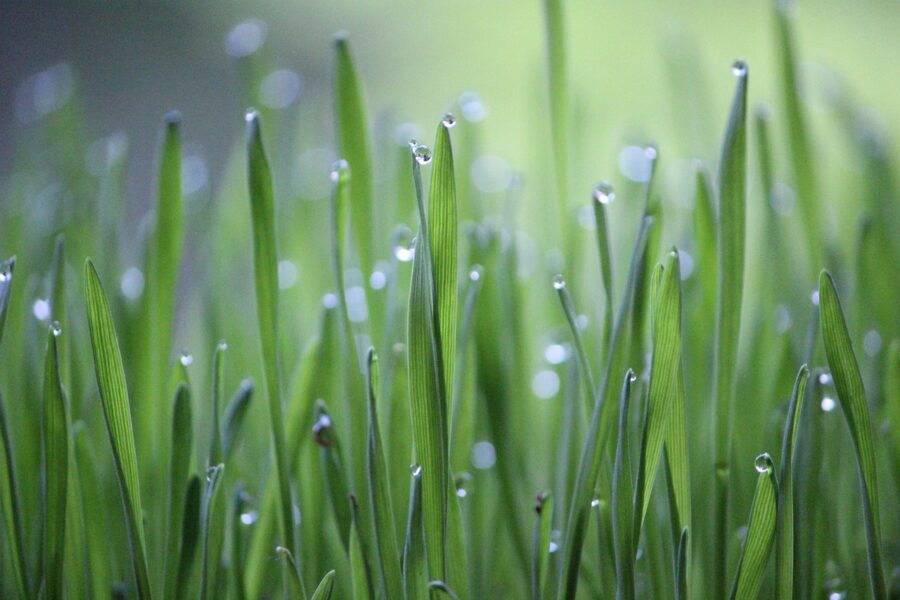
Young wheat shoots contain flavonoid compounds that outperform vitamin C in fighting cellular damage—and these antioxidants can actually extend lifespan in laboratory animals.
Chinese researchers who screened 228 modern wheat cultivars discovered that two specific wheatgrass flavonoids, isoorientin and luteolin, demonstrated twice the antioxidant power of vitamin C in laboratory tests. Even more striking: wheatgrass contained nearly 20 times more flavonoids than mature wheat grains, making the young shoots a potent source of health-promoting compounds.
The findings, published in Seed Biology, challenge assumptions about where to find the most powerful natural antioxidants and suggest that agricultural breeding programs could dramatically boost the nutritional value of this increasingly popular superfood.
Nature’s Antioxidant Arsenal
The research team from China Agricultural University subjected wheatgrass flavonoids to three rigorous antioxidant tests—ABTS, DPPH, and FRAP assays—comparing their performance against vitamin C, one of the most widely used antioxidant supplements. The results were eye-opening.
All four major wheatgrass flavonoids showed superior antioxidant activity to vitamin C in the ABTS test. But in the more stringent DPPH assay, isoorientin and luteolin emerged as the clear champions, delivering approximately double the free radical-scavenging power of vitamin C. Two other compounds, isovitexin and apigenin, showed negligible activity in this test.
Perhaps most importantly for nutrition, the study revealed massive differences between wheat development stages:
- Wheatgrass contained ~675 ng/g of flavonoids (fresh weight)
- Mature wheat grains contained only ~35 ng/g (dry weight)
- This represents nearly a 20-fold difference in flavonoid concentration
- The difference suggests optimal harvest timing for maximum antioxidant benefits
Living Longer on Wheatgrass
To test whether these laboratory antioxidant activities translated into real biological benefits, researchers fed wheatgrass flavonoid extracts to fruit flies—a standard model for aging research. The results revealed both promise and complexity.
Male fruit flies fed 1 mM concentrations of wheatgrass flavonoid extract lived significantly longer than controls, displaying what researchers described as “dose-dependent and gender-specific” lifespan extension. However, female flies showed no lifespan benefits, and higher concentrations actually proved harmful to males.
Gene expression analysis of the treated flies revealed changes in sperm competition pathways and energy metabolism—suggesting the longevity benefits might work through male-specific biological mechanisms involving cellular energy production and vitamin absorption.
Designer Wheatgrass
The study identified specific wheat cultivars with exceptional flavonoid profiles. Three varieties—Xiaoyan 269, Suixuan 101, and Zhoumai 30—emerged as flavonoid powerhouses, containing significantly higher levels of the beneficial luteolin and chrysoeriol compounds compared to standard varieties.
Using detailed metabolite profiling, the researchers mapped ten major flavonoid compounds in wheatgrass, finding that modifications were largely based on three core molecules: luteolin, apigenin, and chrysoeriol. This chemical blueprint could guide breeding programs to develop specialized wheatgrass varieties tailored for specific health applications.
The team also discovered they could boost flavonoid production by 30% using jasmonic acid treatment—a natural plant hormone that activates defensive compound production. Gene expression analysis confirmed this treatment significantly upregulated key enzymes in the flavonoid biosynthesis pathway, including phenylalanine lyase and chalcone synthetase.
These findings open possibilities for both agricultural breeding and post-harvest treatment strategies to maximize wheatgrass nutritional value. Since the study found no correlation between flavonoid content and agronomic traits like grain yield, farmers could potentially grow high-antioxidant wheatgrass varieties without sacrificing crop productivity.
The research provides scientific validation for wheatgrass’s reputation as a superfood while revealing specific strategies to make it even more nutritionally powerful—potentially offering consumers access to antioxidants that surpass even vitamin C in their cellular protective effects.
Discover more from SciChi
Subscribe to get the latest posts sent to your email.