Skip to content
ScienceBlog.com
  • Featured Blogs
    • EU Horizon Blog
    • ESA Tracker
    • Experimental Frontiers
    • Josh Mitteldorf’s Aging Matters
    • Dr. Lu Zhang’s Gondwanaland
    • NeuroEdge
    • NIAAA
    • SciChi
    • The Poetry of Science
    • Wild Science
  • Topics
    • Brain & Behavior
    • Earth, Energy & Environment
    • Health
    • Life & Non-humans
    • Physics & Mathematics
    • Social Sciences
    • Space
    • Technology
  • Our Substack
  • Follow Us!
    • Bluesky
    • Threads
    • FaceBook
    • Google News
    • Twitter/X
  • Contribute/Contact

Artificial Intelligence

abstract illustration of M S in human body

AI tool can track effectiveness of multiple sclerosis treatments

Illustration of a human heart

AI Reveals Heart’s Biological Age, Unlocking Cardiac Risk Prediction

Associate Professor Mario Lanza and his team demonstrated a groundbreaking silicon transistor that mimics neural and synaptic behaviours, marking a significant breakthrough in neuromorphic computing.

Super-Efficient Transistor Breakthrough Could Shake Up AI Computing World

Example neuron in the anterior ventromedial hypothalamus (VMH, blue line). Using a technique called “uncaging”, researchers found that inhibitory signals near the centre of this neuron (yellow squares) were stronger during the fertile phase of the reproductive cycle. Reduced activity in these cells promotes mating behaviour.

“AI is the future of peer review”

Dartmouth scientists Michael Heinz (left) and Nicholas Jacobson (center) led the first clinical trial of an AI-powered therapy chatbot and found that, on average, people with diagnosed mental disorders experienced a significant reduction in symptoms. People in the study interacted with the software, known as Therabot, through a smartphone app where they responded to prompts from the Therabot avatar (right) or initiated conversations when they needed to talk.

AI Therapist Matches Human Care in Groundbreaking Mental Health Trial

Researchers argue that the adoption of LLMs into medical curricula can significantly contribute to the acquisition of moral knowledge and the cultivation of virtue, two main aspects of medical ethics.

ChatGPT Shows Promise as Medical Ethics Teacher

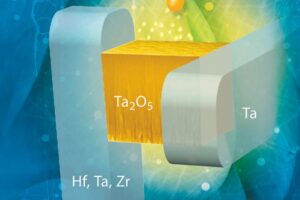
the novel memristive device

Brain-Like Memory Chips That Never Forget: New Memristors Could Solve AI’s Amnesia Problem

Coffee-making robot pours water from a kettle into a cup

Robot Barista Breaks New Ground for AI Machines

A new study shows that an open-source AI model performs on par with the leading closed-source tool in its ability to solve tough medical cases. The shift portends greater competition that should benefit for patients and clinicians.

Free Open-Source Tool Matches Big Tech’s Best in Cracking Tough Patient Cases

woman sleeping

AI Watches You Sleep: New Model Analyzes Over 1 Million Hours of Slumber

synthetic blood platelets

AI Model Predicts Biological Age from a Tiny Blood Sample

A car emitting radar signals

Self-Driving Cars Learn to Share Road Knowledge Through Digital Word-of-Mouth

Researchers develop computer model to understand and generate human-like goals

AI Creates Playful Games Indistinguishable from Human-Made Ones

Megan

Why GPT can’t think like us

Older posts
Page1 Page2 … Page16 Next →
Substack subscription form sign up

Comments

  • Kidreadytobreed on Global warming reduces available wind energy
  • James on Global warming reduces available wind energy
  • James on Global warming reduces available wind energy
  • Booklet AI on Key to online education: Test early and often
  • Karoly Mirnics on Common Prescription Drugs May Disrupt Cholesterol Pathways in the Womb and Raise Autism Risk
© 2026 ScienceBlog.com | Follow our RSS / XML feed