Skip to content
ScienceBlog.com
  • Featured Blogs
    • EU Horizon Blog
    • ESA Tracker
    • Experimental Frontiers
    • Josh Mitteldorf’s Aging Matters
    • Dr. Lu Zhang’s Gondwanaland
    • NeuroEdge
    • NIAAA
    • SciChi
    • The Poetry of Science
    • Wild Science
  • Topics
    • Brain & Behavior
    • Earth, Energy & Environment
    • Health
    • Life & Non-humans
    • Physics & Mathematics
    • Social Sciences
    • Space
    • Technology
  • Our Substack
  • Follow Us!
    • Bluesky
    • Threads
    • FaceBook
    • Google News
    • Twitter/X
  • Contribute/Contact

Autism Spectrum Disorder

Arachidonic acid, which is released from phospholipid membranes, is metabolized to various epoxyeicosatrienoic acid (EET) compounds and subsequently to dihydroxyeicosatrienoic acids (diHETrE). This study revealed that high levels of 11,12- diHETrE in umbilical cord blood are associated with ASD symptoms, such as social affect (SA) and adaptive functioning. Additionally, lower levels of 8,9-diHETrE impacted repetitive/restrictive behaviors (RRB).

Fatty acids in umbilical cord blood might cause autism spectrum disorder

Junghyun Choi, Laura Marsal-Garcia, Nahum Sonenberg and Ilse Gantois

Mouse studies reveal possible benefits of CBD and metformin for treating behavioural difficulties

Genes involved in chromatin modification and gene transcription are associated with the progression of neurodevelopmental disorders. Researchers from Japan have developed a new mouse model to study the molecular mechanism behind the ability of KMT2C to cause autism spectrum disorder. They also showed that vafidemstat has a rescuing effect by normalizing disrupted gene expression.

New study uncovers how altered gene expression can induce autism

In this study, researchers analyzed large ASD whole genome sequencing data and found that promoter de novo mutations in TADs containing ASD genes were specifically associated with the disease.

Genomic “butterfly effect” explains risk for autism spectrum disorder

Toddler boy in overalls

Hidden connection found between adverse drug reactions and autism

Autism cures may be closer as focus turns to early treatment

Four different autism subtypes identified in brain study

A new material developed by Penn State researchers could one day be used to remove persistent contaminants from drinking water.

Higher Lithium Levels in Drinking Water May Raise Autism Risk

Autism art illustration

5x increase in autism in New York-New Jersey region

Gut illustration

Drug targeting gut bacteria may improve irritability in teens with autism

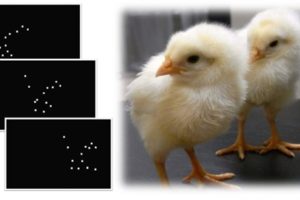
A simulation of biological motion (left) and leghorn chicks of the same breed as those used in the study (right) (Photo: Toshiya Matsushima).

Insecticide causes autism-like behavior in chicks

Substack subscription form sign up

Comments

  • Simon on A New Theory Says DMT Entities Might Be Real, and Proposes How to Test It
  • Sue Ann Hayes on Hidden Nuclear Protein Fuels Pancreatic Cancer’s Deadly Aggression
  • Curtis Webber on The GPS-Killer? This Quantum Device ‘Feels’ Motion Like a Brain—Down to the Atomic Level
  • Ran on How the Age You First Had Sex Could Shape How You Age Decades Later
  • Sparty on How the Age You First Had Sex Could Shape How You Age Decades Later
© 2026 ScienceBlog.com | Follow our RSS / XML feed