Skip to content
ScienceBlog.com
  • Featured Blogs
    • EU Horizon Blog
    • ESA Tracker
    • Experimental Frontiers
    • Josh Mitteldorf’s Aging Matters
    • Dr. Lu Zhang’s Gondwanaland
    • NeuroEdge
    • NIAAA
    • SciChi
    • The Poetry of Science
    • Wild Science
  • Topics
    • Brain & Behavior
    • Earth, Energy & Environment
    • Health
    • Life & Non-humans
    • Physics & Mathematics
    • Social Sciences
    • Space
    • Technology
  • Our Substack
  • Follow Us!
    • Bluesky
    • Threads
    • FaceBook
    • Google News
    • Twitter/X
  • Contribute/Contact

cell death

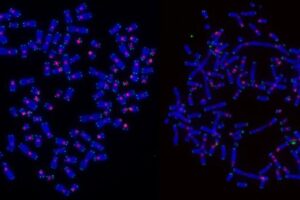
Chromosomes from cancer cells with DNA stained blue, telomeres stained green, and centromeres stained pink.

Scientists Uncover Why Cancer Cells Die Differently After Radiation Treatment

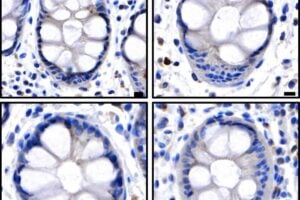
Atlas of necroptotic pathway expression in human intestinal crypts.

Robots help put brakes on inflammatory diseases

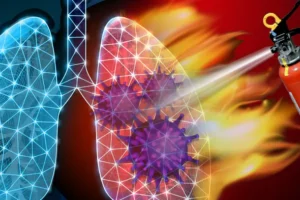
An illustration of ferroptosis in the lungs of COVID-19 patients

Unveiling the Deadly Mechanism Behind COVID-19 Lung Damage

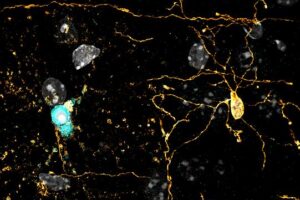
A living-tissue model developed by Dartmouth researchers showed that a fatal trauma killed younger oligodendrocytes (blue) within 24 hours, while mature cells (yellow) took 45 days to die.

Older brain cells linger unexpectedly before their death

Cell death, a life-giving event, can also trigger severe disease

Substack subscription form sign up

Comments

  • Sue Ann Hayes on Hidden Nuclear Protein Fuels Pancreatic Cancer’s Deadly Aggression
  • Curtis Webber on The GPS-Killer? This Quantum Device ‘Feels’ Motion Like a Brain—Down to the Atomic Level
  • Ran on How the Age You First Had Sex Could Shape How You Age Decades Later
  • Sparty on How the Age You First Had Sex Could Shape How You Age Decades Later
  • Josh Mitteldorf on A Single TV Segment Sent Leucovorin Prescriptions for Autistic Children Soaring 2,000 Percent
© 2026 ScienceBlog.com | Follow our RSS / XML feed