Skip to content
Menu
Featured Blogs
EU Horizon Blog
ESA Tracker
Experimental Frontiers
Josh Mitteldorf’s Aging Matters
Dr. Lu Zhang’s Gondwanaland
NeuroEdge
NIAAA
SciChi
The Poetry of Science
Wild Science
Topics
Brain & Behavior
Earth, Energy & Environment
Health
Life & Non-humans
Physics & Mathematics
Social Sciences
Space
Technology
Our Substack
Follow Us!
Bluesky
Threads
FaceBook
Google News
Twitter/X
Contribute/Contact
children
Everyday Exposure to Fluoride May Impact Children’s Cognitive Development, New Research Suggests
Acoustic sensors find frequent gunfire on school walking routes
Natural Food Dye Shows Promise in Treating Children’s Bad Breath Using Light Therapy
Early Autism Screening Helps More Children Access Timely Care
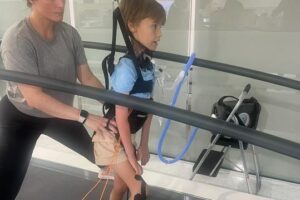
New Spinal Stimulation Treatment Helps Paralyzed Children Walk Again
Animated Films Perpetuate Harmful Stereotypes About Eye Conditions
Prenatal Vitamin D Benefits Children’s Bone Health for Years
Exposing Kids to Misinformation Boosts Fact-Checking Skills
Palestinian education ‘under attack’, leaving a generation close to losing hope, study warns
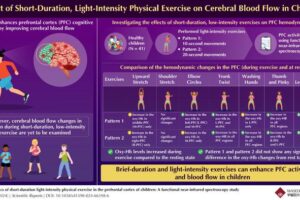
Light, Brief Exercises Boost Brain Blood Flow in Children, Study Finds
More siblings mean poorer mental health for teens
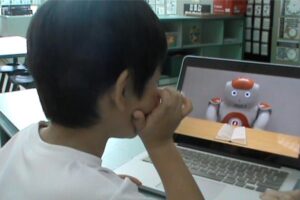
Robots versus humans: Which would children trust more when learning new information?
Children and adolescents in food-insecure homes had more mental health visits
NIH Study Uncovers Weakened Immune Response in Children with Mitochondrial Disorders
Older posts
Page
1
Page
2
Next
→