Skip to content
ScienceBlog.com
  • Featured Blogs
    • EU Horizon Blog
    • ESA Tracker
    • Experimental Frontiers
    • Josh Mitteldorf’s Aging Matters
    • Dr. Lu Zhang’s Gondwanaland
    • NeuroEdge
    • NIAAA
    • SciChi
    • The Poetry of Science
    • Wild Science
  • Topics
    • Brain & Behavior
    • Earth, Energy & Environment
    • Health
    • Life & Non-humans
    • Physics & Mathematics
    • Social Sciences
    • Space
    • Technology
  • Our Substack
  • Follow Us!
    • Bluesky
    • Threads
    • FaceBook
    • Google News
    • Twitter/X
  • Contribute/Contact

cognitive development

toothbrush

Everyday Exposure to Fluoride May Impact Children’s Cognitive Development, New Research Suggests

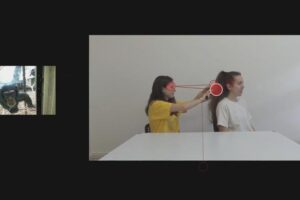
A chimpanzee watching a video of an agent (left) brushing the hair of a patient (right). Red circles indicate her gaze fixations, and red lines indicate attentional switching between agent and patient.

Great Apes Watch Events Like Humans Do

Ohio State logo

Why children can’t pay attention to the task at hand

Child viewing a screen with a robot on it

Robots versus humans: Which would children trust more when learning new information?

Splashing milk drops. Pixabay

Adding milk component to infant formula raises child IQ

Pixabay walnut

Eating walnuts could benefit adolescents’ cognitive development, psychological maturation

When kids face tough problems -- like math -- they rely on the same brain network as adults.

Children use the same brain network as adults for tough problems

Brain MRI

Drinking during pregnancy changes baby’s brain structure

Substack subscription form sign up

Comments

  • Tom on The Serotonin Circuit That Makes Tinnitus Louder
  • Josh Mitteldorf on Red States and Blue States Are Becoming the Same Unhappy Country
  • Josh Mitteldorf on Scientists Have Written the Rules for First Contact, and Step One Is Don’t Panic
  • John E on A New Theory Says DMT Entities Might Be Real, and Proposes How to Test It
  • ScienceBlog.com on A New Theory Says DMT Entities Might Be Real, and Proposes How to Test It
© 2026 ScienceBlog.com | Follow our RSS / XML feed