Skip to content
ScienceBlog.com
  • Featured Blogs
    • EU Horizon Blog
    • ESA Tracker
    • Experimental Frontiers
    • Josh Mitteldorf’s Aging Matters
    • Dr. Lu Zhang’s Gondwanaland
    • NeuroEdge
    • NIAAA
    • SciChi
    • The Poetry of Science
    • Wild Science
  • Topics
    • Brain & Behavior
    • Earth, Energy & Environment
    • Health
    • Life & Non-humans
    • Physics & Mathematics
    • Social Sciences
    • Space
    • Technology
  • Our Substack
  • Follow Us!
    • Bluesky
    • Threads
    • FaceBook
    • Google News
    • Twitter/X
  • Contribute/Contact

Depression

child with teddybear

Childhood Trauma Haunts Parenting Ability, Creating Cycle of Abuse

Dartmouth scientists Michael Heinz (left) and Nicholas Jacobson (center) led the first clinical trial of an AI-powered therapy chatbot and found that, on average, people with diagnosed mental disorders experienced a significant reduction in symptoms. People in the study interacted with the software, known as Therabot, through a smartphone app where they responded to prompts from the Therabot avatar (right) or initiated conversations when they needed to talk.

AI Therapist Matches Human Care in Groundbreaking Mental Health Trial

a small white clock held in a man's hand

Out of Sync, Out of Sorts: New Study Links Circadian Alignment to Happiness

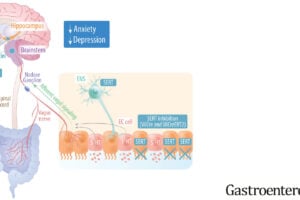
Brain gut axis in depression and anxiety infographic

Antidepressants Could Soon Target Your Gut Instead of Your Brain

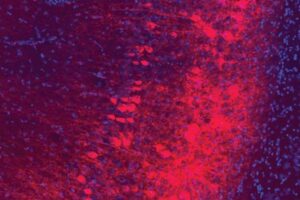
A microscopic image of neurons that connect the hippocamus and amygdala in a mouse's brain. The neurons are dyed red and purple

Researchers find brain signature of resilience, suggesting new way to treat depression

Ohio State logo

Gratitude interventions don’t help with depression, anxiety

depressed man at gym with head bent down

Heart Attack Survivors May Face Hidden Risk from Standard Treatment

human brain illustration

Breakthrough Depression Treatment Shows Promise with Five-Day Brain Stimulation Therapy

Sad woman

Liver X receptor beta: a new frontier in treating depression and anxiety

Artsy representation of human eye

When detecting depression, the eyes have it

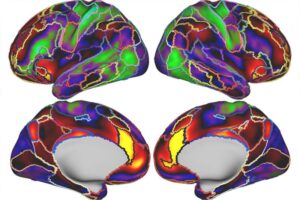
The image displays four views of a person's brain, highlighting the boundaries between different functional brain networks, each represented by different colored lines, as mapped using functional MRI. This map is overlaid on a salience network connectivity heat map, where warmer colors indicate stronger connectivity within the salience network. Researchers discovered that a larger salience network may be associated with an increased risk of depression. Credit: Lynch/Liston Labs.

Brain Scans Reveal Neuronal ‘Wiring’ Linked to Depression Risk

Smartphone

Mental health apps may help those waiting for care, study finds

Illustration of person with two masks, one happy and one sad

5-Day Brain Stimulation Treatment Shows Promise for Bipolar Disorder

Ohio State logo

Playing youth sports linked to better mental health in adults

Older posts
Page1 Page2 … Page4 Next →
Substack subscription form sign up

Comments

  • Karoly Mirnics on Common Prescription Drugs May Disrupt Cholesterol Pathways in the Womb and Raise Autism Risk
  • Aizen on Laziness helped lead to extinction of Homo erectus
  • Norwood johnson on Electrons in New Crystals Behave as If They Live in Four Dimensions
  • ScienceBlog.com on Hidden Geometry Could Finally Fix Quantum Computers
  • Theo Prinse on America Is Going Back to the Moon. This Time, It Plans to Stay
© 2026 ScienceBlog.com | Follow our RSS / XML feed