Skip to content
ScienceBlog.com
  • Featured Blogs
    • EU Horizon Blog
    • ESA Tracker
    • Experimental Frontiers
    • Josh Mitteldorf’s Aging Matters
    • Dr. Lu Zhang’s Gondwanaland
    • NeuroEdge
    • NIAAA
    • SciChi
    • The Poetry of Science
    • Wild Science
  • Topics
    • Brain & Behavior
    • Earth, Energy & Environment
    • Health
    • Life & Non-humans
    • Physics & Mathematics
    • Social Sciences
    • Space
    • Technology
  • Our Substack
  • Follow Us!
    • Bluesky
    • Threads
    • FaceBook
    • Google News
    • Twitter/X
  • Contribute/Contact

domestication

François Lanoë, an assistant research professor at the University of Arizona's School of Anthropology, helped uncover an 8,100-year-old canine jawbone in interior Alaska in June 2023. Alongside a 12,000-year-old leg bone found nearby, these discoveries provide some of the earliest evidence of close relationships between ancient dogs, wolves, and humans in the Americas.

Scientists Find Earliest Evidence of Human-Dog Bonds in Americas

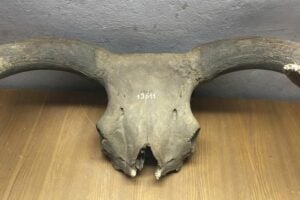
Aurochs skull

Ancient DNA Reveals Epic Journey of Extinct Wild Cattle That Shaped Human History

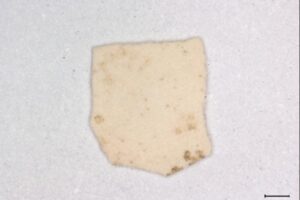
An eggshell fragment from the site of Bash Tepa, representing one of the earliest pieces of evidence for chickens on the Silk Road

When did the chicken cross the road? New evidence from Central Asia

Ancient chickens, cows and pigs may hold secrets to modern animal diseases

Substack subscription form sign up

Comments

  • Marco Messina on More Than a Third of Americans Have Lost Relationships Over Politics
  • Anon on Why Fructose Behaves Less Like a Calorie and More Like a Hormone
  • Mark Mellinger on Living Plastic Can Self-Destruct on Command
  • Marie Feret on The Silent Frequency That Makes Old Buildings Feel Haunted
  • Dax on The Silent Frequency That Makes Old Buildings Feel Haunted
© 2026 ScienceBlog.com | Follow our RSS / XML feed