Skip to content
ScienceBlog.com
  • Featured Blogs
    • EU Horizon Blog
    • ESA Tracker
    • Experimental Frontiers
    • Josh Mitteldorf’s Aging Matters
    • Dr. Lu Zhang’s Gondwanaland
    • NeuroEdge
    • NIAAA
    • SciChi
    • The Poetry of Science
    • Wild Science
  • Topics
    • Brain & Behavior
    • Earth, Energy & Environment
    • Health
    • Life & Non-humans
    • Physics & Mathematics
    • Social Sciences
    • Space
    • Technology
  • Our Substack
  • Follow Us!
    • Bluesky
    • Threads
    • FaceBook
    • Google News
    • Twitter/X
  • Contribute/Contact

Environmental adaptation

New work by Prof. Siobhan Brady and Alex Cantó-Pastor at the UC Davis College of Biological Sciences shows how tomato plants can make themselves more drought-tolerant by producing a waxy substance, suberin, in their roots.

How tomato plants use their roots to ration water during drought

a reindeer eating

Reindeer sleep while chewing their cud

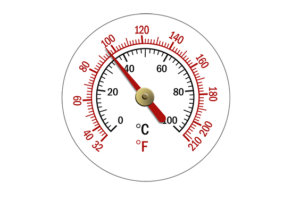
Thermostat. Pixabay

How hot is too hot for humans? Around 50°C

Iani Smithi

Iani smithi Ducks Out as Duckbills Take Over

An adult male black and white snub-nosed monkey (Rhinopithecus bieti).

Asian Monkeys in the Cold Evolve for Survival

Substack subscription form sign up

Comments

  • Brunette Keller on How New Herpes Drugs Jam a Virus’s Replication Engine
  • Aizen on Laziness helped lead to extinction of Homo erectus
  • Norwood johnson on Electrons in New Crystals Behave as If They Live in Four Dimensions
  • ScienceBlog.com on Hidden Geometry Could Finally Fix Quantum Computers
  • Theo Prinse on America Is Going Back to the Moon. This Time, It Plans to Stay
© 2026 ScienceBlog.com | Follow our RSS / XML feed