Skip to content
ScienceBlog.com
  • Featured Blogs
    • EU Horizon Blog
    • ESA Tracker
    • Experimental Frontiers
    • Josh Mitteldorf’s Aging Matters
    • Dr. Lu Zhang’s Gondwanaland
    • NeuroEdge
    • NIAAA
    • SciChi
    • The Poetry of Science
    • Wild Science
  • Topics
    • Brain & Behavior
    • Earth, Energy & Environment
    • Health
    • Life & Non-humans
    • Physics & Mathematics
    • Social Sciences
    • Space
    • Technology
  • Our Substack
  • Follow Us!
    • Bluesky
    • Threads
    • FaceBook
    • Google News
    • Twitter/X
  • Contribute/Contact

environmental pollution

Ohio State logo

At the top of the world, lead pollution reaches even pristine glaciers

UC Riverside associate professor Yujie Men at an incubator filled with bacteria cultures bottles.

Bacteria Could Hold Key to Breaking Down Stubborn ‘Forever Chemicals’

east Palestine train accident

Train Derailment Pollutants Found in Rain and Snow Across 16 States

a front-loading washing machine washing white clothing with suds

Glowing Clothes and Microplastics: The Hidden Pollutants in Our Water

Killer whales

Killer whales’ diet more important than location for pollutant exposure

Soil and freshwater come under the spotlight in plastics-pollution fight

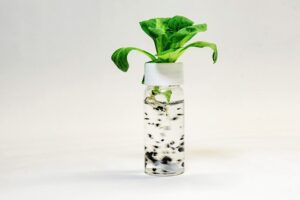
Lettuce plants take up chemicals that are released by tyre abrasion: The picture shows the actual experimental setup in which the researchers added tyre abrasion to the nutrient solutions of lettuce plants.

From the road to the plate: lettuce takes up toxic additives from tire wear

Water bubbles painting

How PFAS ‘forever chemicals’ travel in groundwater

Substack subscription form sign up

Comments

  • Brunette Keller on How New Herpes Drugs Jam a Virus’s Replication Engine
  • Aizen on Laziness helped lead to extinction of Homo erectus
  • Norwood johnson on Electrons in New Crystals Behave as If They Live in Four Dimensions
  • ScienceBlog.com on Hidden Geometry Could Finally Fix Quantum Computers
  • Theo Prinse on America Is Going Back to the Moon. This Time, It Plans to Stay
© 2026 ScienceBlog.com | Follow our RSS / XML feed