Skip to content
ScienceBlog.com
  • Featured Blogs
    • EU Horizon Blog
    • ESA Tracker
    • Experimental Frontiers
    • Josh Mitteldorf’s Aging Matters
    • Dr. Lu Zhang’s Gondwanaland
    • NeuroEdge
    • NIAAA
    • SciChi
    • The Poetry of Science
    • Wild Science
  • Topics
    • Brain & Behavior
    • Earth, Energy & Environment
    • Health
    • Life & Non-humans
    • Physics & Mathematics
    • Social Sciences
    • Space
    • Technology
  • Our Substack
  • Follow Us!
    • Bluesky
    • Threads
    • FaceBook
    • Google News
    • Twitter/X
  • Contribute/Contact

enzymes

The newly identified enzyme highlighted in pink.

New green chemistry extracts valuable compounds from plant waste

Postdoctoral research associate Samuel Eastman (left), 2024 Princeton graduate Kaeli Ficco (right), and their colleagues uncovered a mechanism by which soil bacteria can modulate plant immunity.

Scientists Uncover How Beneficial Bacteria Help Plants Balance Growth and Defense

Illustration of imaginary scientists using a steampunk machine to produce DNA-stored data

New DNA Storage Method Uses ‘Molecular Movable Type’ to Write Data

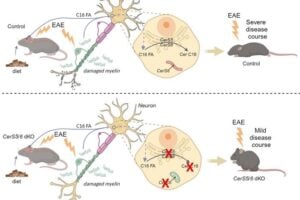
The top panel shows a view of the inside of a neuron where C16 fatty acid derived from palm oil is being synthesized into ceramide C16 (CerC16), which impairs mitochondrial function and results in more severe disease course. The bottom panel shows the same scenario in a mouse with genetic deletions of the ceramide enzymes CerS5 and CerS6. The neurons in these mice do not synthesize Cer C16 from palm oil, resulting in milder disease course.

How High-Fat Diet Makes Multiple Sclerosis Worse – Especially Palm Oil

A termite of the species Neocapritermes taracua with a blue body on the back formed by laccase BP76.

Termite ‘Suicide Bombers’ Reveal Nature’s Explosive Secrets

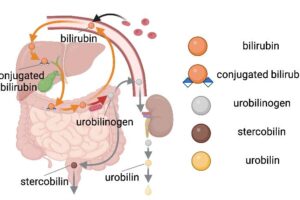
Infographic explaining the urine process

What makes urine yellow? Scientists discover the enzyme responsible

Ohio State logo

A rare enzyme role change with bacterial defense system assembly

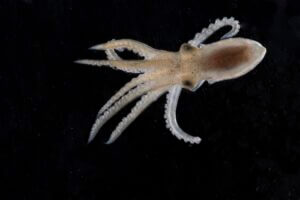
California two-spot octopus hatchlings

Pumped for frigid weather: study pinpoints cold adaptations in nervous system of Antarctic octopus

Chemical analysis brings understudied microbiome into sharper focus

Vaginal bacteria must eat to survive — but how?

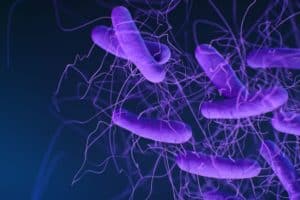
C difficile

The right cocktail of gut enzymes can stop c. diff in its tracks

Senior woman sleeping in white bed

Unravelling the secrets of a good night’s sleep: It’s the enzyme

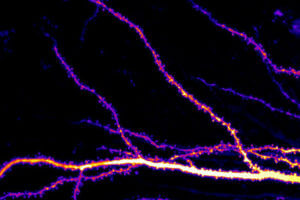
Compared to wild type control mice, hippocampal neurons in PKCa M489V mice showed fewer dendritic spines.

Enzyme drives cognitive decline in mice, provides new target for Alzheimer’s

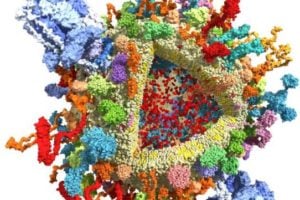
The cover illustration shows vacuolar-type adenosine triphosphatases (V-ATPases, large blue structures) on a synaptic vesicle from a nerve cell in the mammalian brain. Image: C. Kutzner, H. Grubmüller and R. Jahn/Max Planck Institute for Multidisciplinary Sciences.

Copenhagen researchers claim major breakthrough in understanding the brain

Substack subscription form sign up

Comments

  • Norwood johnson on Electrons in New Crystals Behave as If They Live in Four Dimensions
  • ScienceBlog.com on Hidden Geometry Could Finally Fix Quantum Computers
  • Theo Prinse on America Is Going Back to the Moon. This Time, It Plans to Stay
  • george w on Hidden Geometry Could Finally Fix Quantum Computers
  • Tom Hughes on Years of Exercise, Blood Pressure Drugs Failed to Slow Cognitive Decline in Seniors at Dementia Risk
© 2026 ScienceBlog.com | Follow our RSS / XML feed