Skip to content
ScienceBlog.com
  • Featured Blogs
    • EU Horizon Blog
    • ESA Tracker
    • Experimental Frontiers
    • Josh Mitteldorf’s Aging Matters
    • Dr. Lu Zhang’s Gondwanaland
    • NeuroEdge
    • NIAAA
    • SciChi
    • The Poetry of Science
    • Wild Science
  • Topics
    • Brain & Behavior
    • Earth, Energy & Environment
    • Health
    • Life & Non-humans
    • Physics & Mathematics
    • Social Sciences
    • Space
    • Technology
  • Our Substack
  • Follow Us!
    • Bluesky
    • Threads
    • FaceBook
    • Google News
    • Twitter/X
  • Contribute/Contact

genetic mechanisms

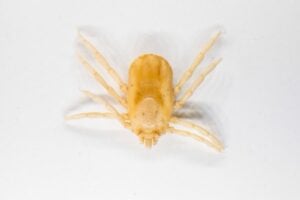
A female Rhipicephalus (Boophilus) microplus, Southern cattle fever tick. The USDA-Texas A&M Department of Entomology study identified chromosomes that determine whether ticks develop as male or female. The discovery could lead to novel control methods of these and other disease-spreading ticks. (Sam Craft/Texas A&M AgriLife)

Cattle’s Worst Enemy Has a New Weakness

A heatmap of titus arum, or the corpse flower, shows that the plant's central towering spike known as the appendix heats up to about 20 degrees Fahrenheit over the ambient temperature when the flower blooms.

Scientists Identify New Chemical Behind Corpse Flower’s Rotting Smell

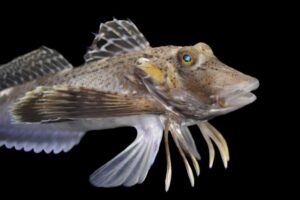
Sea robin (Prionotus carolinus).

This Fish Has Legs: Sea Robins Reveal Evolutionary Secrets

Substack subscription form sign up

Comments

  • Brunette Keller on How New Herpes Drugs Jam a Virus’s Replication Engine
  • Aizen on Laziness helped lead to extinction of Homo erectus
  • Norwood johnson on Electrons in New Crystals Behave as If They Live in Four Dimensions
  • ScienceBlog.com on Hidden Geometry Could Finally Fix Quantum Computers
  • Theo Prinse on America Is Going Back to the Moon. This Time, It Plans to Stay
© 2026 ScienceBlog.com | Follow our RSS / XML feed