Skip to content
ScienceBlog.com
  • Featured Blogs
    • EU Horizon Blog
    • ESA Tracker
    • Experimental Frontiers
    • Josh Mitteldorf’s Aging Matters
    • Dr. Lu Zhang’s Gondwanaland
    • NeuroEdge
    • NIAAA
    • SciChi
    • The Poetry of Science
    • Wild Science
  • Topics
    • Brain & Behavior
    • Earth, Energy & Environment
    • Health
    • Life & Non-humans
    • Physics & Mathematics
    • Social Sciences
    • Space
    • Technology
  • Our Substack
  • Follow Us!
    • Bluesky
    • Threads
    • FaceBook
    • Google News
    • Twitter/X
  • Contribute/Contact

Indigenous communities

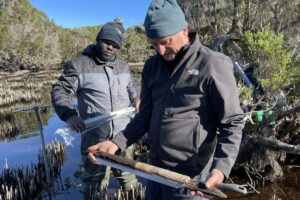
Matthew Adeleye (L) and David Bowman (R) in Emerald swamp, Three Hummock Island.

Fire and Forest: How Early Tasmanians Shaped Their World

Amazon rainforest may be more resilient to deforestation than previously thought

Sustainable Bioeconomy Model Could Revolutionize Amazon Conservation and Development

Ohio State logo

Slash-and-burn agriculture can increase forest biodiversity

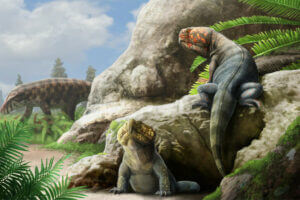
This artist’s depiction shows how Beesiiwo cooowuse may have appeared while roaming the Earth between 250 and 227 million years ago. The newly described rhynchosaur species was named in the language of the northern Arapaho, who live where its fossils were discovered in central Wyoming. GABRIEL UGUETO

Newly described ancient reptile named in language of First Nations where fossils were found

Substack subscription form sign up

Comments

  • David A on Why You’re Losing Muscle on Weight Loss Drugs, and What a Gut Hormone Might Do About It
  • Marco Messina on More Than a Third of Americans Have Lost Relationships Over Politics
  • Anon on Why Fructose Behaves Less Like a Calorie and More Like a Hormone
  • Mark Mellinger on Living Plastic Can Self-Destruct on Command
  • Marie Feret on The Silent Frequency That Makes Old Buildings Feel Haunted
© 2026 ScienceBlog.com | Follow our RSS / XML feed