Skip to content
ScienceBlog.com
  • Featured Blogs
    • EU Horizon Blog
    • ESA Tracker
    • Experimental Frontiers
    • Josh Mitteldorf’s Aging Matters
    • Dr. Lu Zhang’s Gondwanaland
    • NeuroEdge
    • NIAAA
    • SciChi
    • The Poetry of Science
    • Wild Science
  • Topics
    • Brain & Behavior
    • Earth, Energy & Environment
    • Health
    • Life & Non-humans
    • Physics & Mathematics
    • Social Sciences
    • Space
    • Technology
  • Our Substack
  • Follow Us!
    • Bluesky
    • Threads
    • FaceBook
    • Google News
    • Twitter/X
  • Contribute/Contact

international cooperation

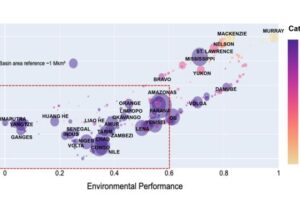
The figure describes the relationship between the risk to water security in each hydrological basin and the governance and environmental conditions in the regions upwind. The relationship between governance (y axis), environmental performance (x axis), the level of risk to water security of each hydrological basin relative to the 379 basins used in the study (colour gradient) and the area of the basin (size of the circle).

Study Reveals Hidden Risks to Global Water Security

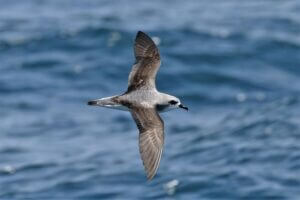
Cook's Petrel, from New Zealand, is an endangered species and is one of the seabirds most at risk from plastic exposure. During its migrations it crosses the Pacific Ocean, and its wintering areas are severely affected by the “big garbage island” of the North Pacific.

Sea of plastic: Mediterranean is the area of the world most at risk for endangered seabirds

Substack subscription form sign up

Comments

  • Not Buying Yer Bullshit on More Than a Third of Americans Have Lost Relationships Over Politics
  • Marco Messina on More Than a Third of Americans Have Lost Relationships Over Politics
  • Anon on Why Fructose Behaves Less Like a Calorie and More Like a Hormone
  • Mark Mellinger on Living Plastic Can Self-Destruct on Command
  • Marie Feret on The Silent Frequency That Makes Old Buildings Feel Haunted
© 2026 ScienceBlog.com | Follow our RSS / XML feed