Skip to content
ScienceBlog.com
  • Featured Blogs
    • EU Horizon Blog
    • ESA Tracker
    • Experimental Frontiers
    • Josh Mitteldorf’s Aging Matters
    • Dr. Lu Zhang’s Gondwanaland
    • NeuroEdge
    • NIAAA
    • SciChi
    • The Poetry of Science
    • Wild Science
  • Topics
    • Brain & Behavior
    • Earth, Energy & Environment
    • Health
    • Life & Non-humans
    • Physics & Mathematics
    • Social Sciences
    • Space
    • Technology
  • Our Substack
  • Follow Us!
    • Bluesky
    • Threads
    • FaceBook
    • Google News
    • Twitter/X
  • Contribute/Contact

marine life

The Tale of Two Skates: How a Genetic Twist Solved a Century-Old Mystery

The Tale of Two Skates: How a Genetic Twist Solved a Century-Old Mystery

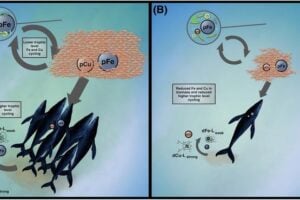
An illustration of the (A) pre-whaling and (B) post-whaling interactions between whales, shrimp-like krill (pink), and photosynthesizing organisms known as phytoplankton (top left of each panel) in the Southern Ocean. The decimation of whales in this ecosystem and coincident drop in krill in some former whaling grounds implies a large shift in the amount of iron available due to the loss of whales and thus micronutrients in whale poop (lower left).

Whale Poop Could Explain Ocean’s Mysterious Decline After Mass Whaling

Harbor porpoises need to eat 2000 fish a day to meet their energy needs. Not because it's demanding to swim, dive and hunt as they are streamlined and very energy efficient. They simply need vast amounts of energy to keep warm in the cold water.

Noisy Motorboats Disrupt Hunting and Threaten Survival of Denmark’s Harbor Porpoises

After hundreds of years, study confirms Bermuda now home to cownose rays

First Evidence of New Stingray Species in the Remote Islands

Rising Ocean Temperatures Threaten Octopus Vision and Survival

Rising Ocean Temperatures Threaten Octopus Vision and Survival

floating plastic bag

Millions of Tons of Plastic Piling Up on Ocean Floors

smoke from a factory

Dissolving Depths

whale

Flukes and Floats

Jellyfish

Mnemic Medusae

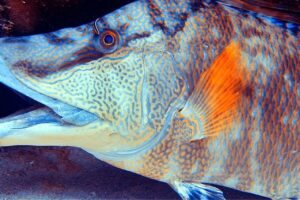
A pointy-snouted reef fish called the hogfish can change from white to spotted brown to reddish depending on its surroundings. Photos courtesy of Dean Kimberly and Lori Schweikert.

This Fish Doesn’t Just See With Its Eyes — It Also Sees With Its Skin

A pygmy right whale (Caperea marginata) in the wild.

Scientists solve ‘enigma’ of pygmy right whales’ feeding habits

Rushing to save coral reefs from global warming

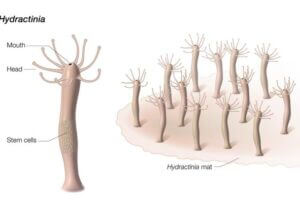
Hydractinia's regeneration driving stem cells are stored in the lower trunk of the animal's body, far from the mouth.

How a Sea Creature’s Mouth Could Unlock the Secrets of Aging and Revolutionize Human Healing

A micro-CT scan showing evidence of fish bones inside Eric the plesiosaur's gut.

X-ray analysis sheds new light on prehistoric predator’s last meal

Older posts
Page1 Page2 Next →
Substack subscription form sign up

Comments

  • Karoly Mirnics on Common Prescription Drugs May Disrupt Cholesterol Pathways in the Womb and Raise Autism Risk
  • Aizen on Laziness helped lead to extinction of Homo erectus
  • Norwood johnson on Electrons in New Crystals Behave as If They Live in Four Dimensions
  • ScienceBlog.com on Hidden Geometry Could Finally Fix Quantum Computers
  • Theo Prinse on America Is Going Back to the Moon. This Time, It Plans to Stay
© 2026 ScienceBlog.com | Follow our RSS / XML feed