Skip to content
ScienceBlog.com
  • Featured Blogs
    • EU Horizon Blog
    • ESA Tracker
    • Experimental Frontiers
    • Josh Mitteldorf’s Aging Matters
    • Dr. Lu Zhang’s Gondwanaland
    • NeuroEdge
    • NIAAA
    • SciChi
    • The Poetry of Science
    • Wild Science
  • Topics
    • Brain & Behavior
    • Earth, Energy & Environment
    • Health
    • Life & Non-humans
    • Physics & Mathematics
    • Social Sciences
    • Space
    • Technology
  • Our Substack
  • Follow Us!
    • Bluesky
    • Threads
    • FaceBook
    • Google News
    • Twitter/X
  • Contribute/Contact

medical research

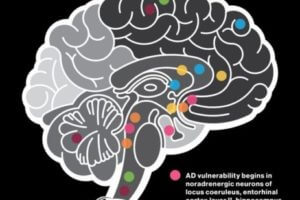
The illustration shows the cell types and brain regions affected by six different neurodegenerative diseases: Friedreich's ataxia (purple); Huntington's disease (blue); frontotemporal dementia (yellow); amyotrophic lateral sclerosis (ALS), also known as motor neuron disease (MND) or Lou Gehrig's disease (green); Parkinson's disease (orange); and Alzheimer's disease (pink).

Common features among neurodegenerative diseases, opening door to early diagnosis and treatment

An elderly couple walking together

Using AI to identify dementia

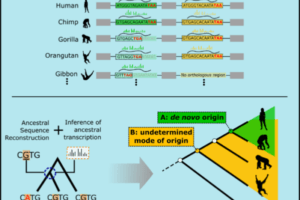
This graphical abstract depicts the rise of new genes in humans.

Humans continue to evolve with the emergence of new genes

Red gummi bears

Red food dye can trigger inflammatory bowel diseases

Brain illustration

Direct Evidence of Disrupted Serotonin Release in Depressed Brains

A panel of medical experts testifies concerning COVID vaccines

Oral med helps fight osteoporosis

Newer posts
← Previous Page1 … Page12 Page13
Substack subscription form sign up

Comments

  • Josh Mitteldorf on Red States and Blue States Are Becoming the Same Unhappy Country
  • Josh Mitteldorf on Scientists Have Written the Rules for First Contact, and Step One Is Don’t Panic
  • John E on A New Theory Says DMT Entities Might Be Real, and Proposes How to Test It
  • ScienceBlog.com on A New Theory Says DMT Entities Might Be Real, and Proposes How to Test It
  • John E on A New Theory Says DMT Entities Might Be Real, and Proposes How to Test It
© 2026 ScienceBlog.com | Follow our RSS / XML feed