Skip to content
ScienceBlog.com
  • Featured Blogs
    • EU Horizon Blog
    • ESA Tracker
    • Experimental Frontiers
    • Josh Mitteldorf’s Aging Matters
    • Dr. Lu Zhang’s Gondwanaland
    • NeuroEdge
    • NIAAA
    • SciChi
    • The Poetry of Science
    • Wild Science
  • Topics
    • Brain & Behavior
    • Earth, Energy & Environment
    • Health
    • Life & Non-humans
    • Physics & Mathematics
    • Social Sciences
    • Space
    • Technology
  • Our Substack
  • Follow Us!
    • Bluesky
    • Threads
    • FaceBook
    • Google News
    • Twitter/X
  • Contribute/Contact

meteorites

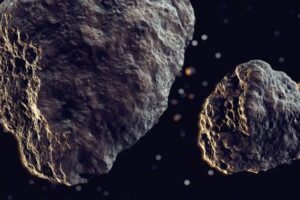
Aguas Zarcas meteorite with irregular surface features. This 146g stone is on loan to the Buseck Center for Meteorite Studies from Michael Farmer.

In the pinball world of asteroids, a mudball meteorite avoided collisions

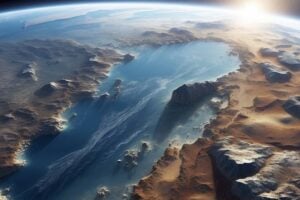
Early earth, with a lake

Meteorite Analysis Shows Earth’s Building Blocks Contained Water

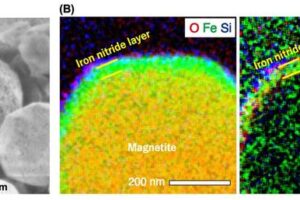
Nitrogen illustration

Meteorites likely source of nitrogen for early Earth

Meteors help answer riddles about water

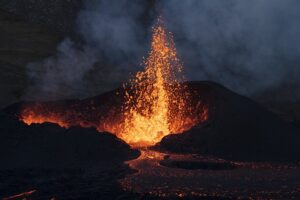
Erupting volcano

Meteoritic and volcanic particles may have promoted origin of life reactions

meteor streaking across day sky

Two meteorites are providing a detailed look into outer space

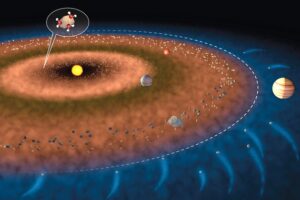
Earth’s water did not come from melted meteorites, according to a new study that analyzed melted meteorites that had been floating around in space since the solar system’s formation four and a half billion years ago. These meteorites had extremely low water content, regardless of their origin in the outer or inner solar system, ruling them out as the primary source of Earth’s water. The dashed white line in the attached illustration is the boundary with the outer solar system showing material transport from the outer solar system to the inner solar system.

Where did Earth’s water come from? Not melted meteorites, study reports

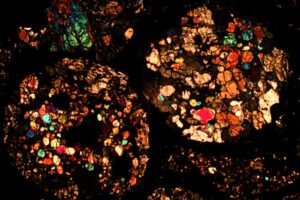
A meteorite thin section under a microscope. Different colors represent different minerals, because light travels through them in different ways. The round mineral aggregates are chondrules, which are a major component in primitive meteorites.

Solar System formed from “poorly mixed cake batter”

Substack subscription form sign up

Comments

  • Marco Messina on More Than a Third of Americans Have Lost Relationships Over Politics
  • Anon on Why Fructose Behaves Less Like a Calorie and More Like a Hormone
  • Mark Mellinger on Living Plastic Can Self-Destruct on Command
  • Marie Feret on The Silent Frequency That Makes Old Buildings Feel Haunted
  • Dax on The Silent Frequency That Makes Old Buildings Feel Haunted
© 2026 ScienceBlog.com | Follow our RSS / XML feed