Skip to content
Menu
Featured Blogs
EU Horizon Blog
ESA Tracker
Experimental Frontiers
Josh Mitteldorf’s Aging Matters
Dr. Lu Zhang’s Gondwanaland
NeuroEdge
NIAAA
SciChi
The Poetry of Science
Wild Science
Topics
Brain & Behavior
Earth, Energy & Environment
Health
Life & Non-humans
Physics & Mathematics
Social Sciences
Space
Technology
Our Substack
Follow Us!
Bluesky
Threads
FaceBook
Google News
Twitter/X
Contribute/Contact
microbiology
Cockroaches can transmit antimicrobial resistance genes between groups
Harnessing the power of a parasite that can stop pain
Uncovering a culprit behind the itch: Staphylococcus aureus
Chlorine disinfectant is no more effective than water at killing off hospital superbug
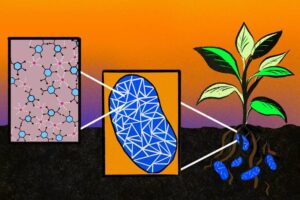
Microbes could help reduce the need for chemical fertilizers
Flesh-eating bacteria spotted in Florida’s coastal waters following Hurricane Ian
A mother mouse needs a diverse gut microbiome to form a healthy placenta
A lethal parasite’s secret weapon: infecting non-immune cells
New grant to optimize gut microbes, boost health benefits of broccoli
Digging deeper into how vaccines work against parasitic disease
“Oil-eating” microbes reshape oil droplets to accelerate hydrocarbon biodegradation
Common wristbands ‘hotbed’ for harmful bacteria including E. coli, staphylococcus
Soil microbiome, Earth’s ‘living skin’ under threat from climate change
Parasites can have a positive effect on biodiversity and a crucial role in maintaining it
Older posts
Newer posts
←
Previous
Page
1
Page
2
Page
3
Page
4
Next
→




![“More and more evidence is suggesting that [the gut microbiome] begins to exert its influence even during prenatal life,” said UCLA’s Elaine Hsiao.](https://scienceblog.com/wp-content/uploads/2023/10/A-mother-mouse-needs-a-diverse-gut-microbiome-to-form-a-healthy-placenta--300x200.jpeg)