Skip to content
ScienceBlog.com
  • Featured Blogs
    • EU Horizon Blog
    • ESA Tracker
    • Experimental Frontiers
    • Josh Mitteldorf’s Aging Matters
    • Dr. Lu Zhang’s Gondwanaland
    • NeuroEdge
    • NIAAA
    • SciChi
    • The Poetry of Science
    • Wild Science
  • Topics
    • Brain & Behavior
    • Earth, Energy & Environment
    • Health
    • Life & Non-humans
    • Physics & Mathematics
    • Social Sciences
    • Space
    • Technology
  • Our Substack
  • Follow Us!
    • Bluesky
    • Threads
    • FaceBook
    • Google News
    • Twitter/X
  • Contribute/Contact

Pollination

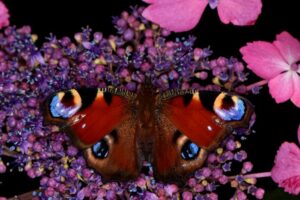
Peacock butterfly

Butterflies accumulate enough static electricity to attract pollen without contact

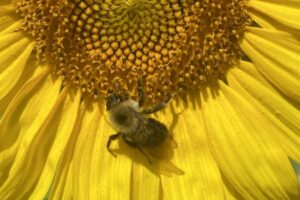
A bumblebee (Bombus impatiens) feeds from a sunflower.

The plants you need to keep bees on a healthy diet have been revealed

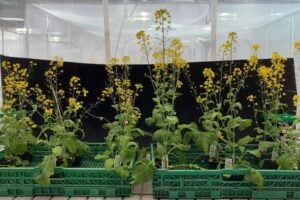
The experimental plants pollinated by bumblebees displayed significant differenes on limestone soil (r) and tuff soil (l).

Plants Thrive with Diverse Pollinator and Herbivore Interactions

Bee flying mid-air

Pollination by more than one bee species improves cherry harvest

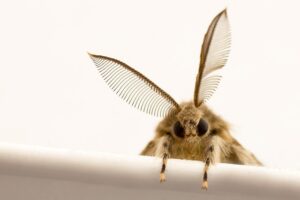
A moth in mid flight. Credit Pixabay

Moths: The Nighttime Heroes of Pollination

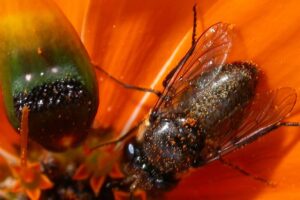
A real fly (right) lands on a daisy petal next to the fake fly (left)

Deceptive daisy’s ability to create fake flies explained

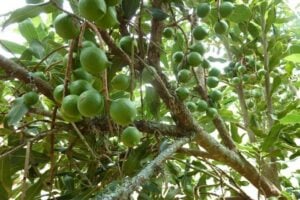
Unripe nuts hang in bunches on the tree. Insect pollination of the macadamia flowers was essential for successful nut production.

Clever orchard design yields more nuts

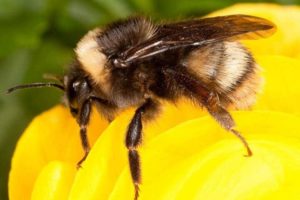
Bumble bee

Lured by bright colors: Wild bee queens face death in commercial hives

Substack subscription form sign up

Comments

  • Karoly Mirnics on Common Prescription Drugs May Disrupt Cholesterol Pathways in the Womb and Raise Autism Risk
  • Aizen on Laziness helped lead to extinction of Homo erectus
  • Norwood johnson on Electrons in New Crystals Behave as If They Live in Four Dimensions
  • ScienceBlog.com on Hidden Geometry Could Finally Fix Quantum Computers
  • Theo Prinse on America Is Going Back to the Moon. This Time, It Plans to Stay
© 2026 ScienceBlog.com | Follow our RSS / XML feed