Skip to content
ScienceBlog.com
  • Featured Blogs
    • EU Horizon Blog
    • ESA Tracker
    • Experimental Frontiers
    • Josh Mitteldorf’s Aging Matters
    • Dr. Lu Zhang’s Gondwanaland
    • NeuroEdge
    • NIAAA
    • SciChi
    • The Poetry of Science
    • Wild Science
  • Topics
    • Brain & Behavior
    • Earth, Energy & Environment
    • Health
    • Life & Non-humans
    • Physics & Mathematics
    • Social Sciences
    • Space
    • Technology
  • Our Substack
  • Follow Us!
    • Bluesky
    • Threads
    • FaceBook
    • Google News
    • Twitter/X
  • Contribute/Contact

recycling

Ohio State logo

Chemical looping turns environmental waste into fuel

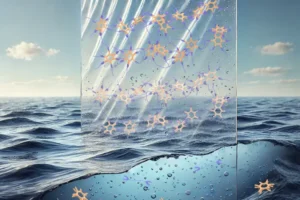
Artistic rendering of the new plastic. Cross linked salt bridges visible in the plastic outside the seawater give it its structure and strength. In seawater (and in soil, not depicted), resalting destroys the bridges, prevending microplastic formation and allowing the plastic to become biodegradable.

Scientists Create Plastic That Safely Dissolves in Seawater, Preventing Microplastic Pollution

Recycled glass for growing salsa ingredients

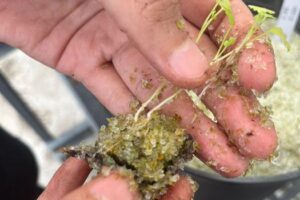
Recycled Glass: The Secret Ingredient for Growing Healthier Salsa Vegetables

steel pipes in a warehouse

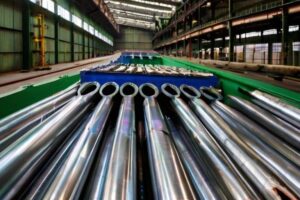
Transforming Aluminum Production Waste into Green Steel

To secure raw materials, Europe turns to recycling

Black soldier flies are a good source of chemicals to make bioplastics.

Making degradable plastic from dead flies

Paper makers and users look to greener frontiers

Beyond the bin: giving biowaste a second life

solar panels being installed on a building

Solar industry feeling the heat over disposal of 80 million panels

Substack subscription form sign up

Comments

  • Jessica Butler on Weight Loss Drug Revolution Could Leave Britain’s Poorest Patients Behind
  • Simon on A New Theory Says DMT Entities Might Be Real, and Proposes How to Test It
  • Sue Ann Hayes on Hidden Nuclear Protein Fuels Pancreatic Cancer’s Deadly Aggression
  • Curtis Webber on The GPS-Killer? This Quantum Device ‘Feels’ Motion Like a Brain—Down to the Atomic Level
  • Ran on How the Age You First Had Sex Could Shape How You Age Decades Later
© 2026 ScienceBlog.com | Follow our RSS / XML feed