Skip to content
ScienceBlog.com
  • Featured Blogs
    • EU Horizon Blog
    • ESA Tracker
    • Experimental Frontiers
    • Josh Mitteldorf’s Aging Matters
    • Dr. Lu Zhang’s Gondwanaland
    • NeuroEdge
    • NIAAA
    • SciChi
    • The Poetry of Science
    • Wild Science
  • Topics
    • Brain & Behavior
    • Earth, Energy & Environment
    • Health
    • Life & Non-humans
    • Physics & Mathematics
    • Social Sciences
    • Space
    • Technology
  • Our Substack
  • Follow Us!
    • Bluesky
    • Threads
    • FaceBook
    • Google News
    • Twitter/X
  • Contribute/Contact

resilience

Man in a wheelchair shoots a basket against friends in a basketball game

Lemonading: How Playful People Turn Life’s Adversity to Advantage

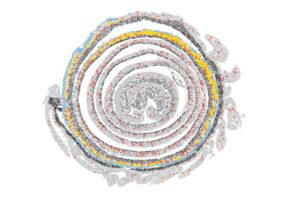
Credit: Xavier lab A map showing the distribution of different structural cell types in the colon. Fibroblasts are labeled in red, enterocytes in blue, and goblet cells in yellow.

Scientists Map Gut’s Remarkable Ability to Resist and Recover from Environmental Changes

abstract illustration of adversity related word cloud and person meditating

Reframing Disadvantage as Strength Boosts Grades for Low-Income Students

Ohio State logo

Declines in plant resilience threaten carbon storage in the Arctic

Illustration of a young African American man

Black Americans develop mental resilience to discrimination early

Solar panels on an industrial rooftop

California’s Solar-Powered ‘Resilience Hubs’ Could Generate 8GW, Slash Carbon Emissions

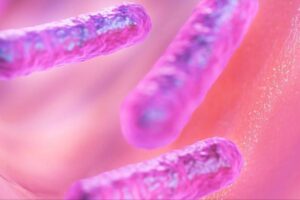
Bacteria in the gut convert bile acids produced by the liver into a wide array of new compounds. These molecules are akin to the language of the gut microbiome, allowing them to influence distant organ systems. Photo Credit: Lakshmiraman Oza/Pixabay

Resilient People Show Unique Brain and Gut Microbiome Patterns

Infographic: "Alzheimer’s Disease Without Symptoms. How is That Possible?"

Unraveling the Secrets of Resilient Brains: How Some Individuals Defy Alzheimer’s Symptoms

Pueblo Bonito in Chaco Canyon stood at the head of a regional system that lasted some 250 years. This is a long life span compared to the pre-modern states analyzed in a new study in PNAS. (image: Nate Crabtree)

Aging societies more vulnerable to collapse

As weather extremes become the new normal under climate change, University of Delaware data scientist Jing Gao and regional climate scientist Melissa Bukovsky from the University of Wyoming are working to understand how urban land patterns can help reduce population exposure.

Designing cities for 21st-century weather

Man, with an enormous purpose

How having a purpose in life can bolster men’s mental health

Ohio State logo

Want to increase resiliency in kids? Teach creativity

Substack subscription form sign up

Comments

  • Karoly Mirnics on Common Prescription Drugs May Disrupt Cholesterol Pathways in the Womb and Raise Autism Risk
  • Aizen on Laziness helped lead to extinction of Homo erectus
  • Norwood johnson on Electrons in New Crystals Behave as If They Live in Four Dimensions
  • ScienceBlog.com on Hidden Geometry Could Finally Fix Quantum Computers
  • Theo Prinse on America Is Going Back to the Moon. This Time, It Plans to Stay
© 2026 ScienceBlog.com | Follow our RSS / XML feed