Skip to content
ScienceBlog.com
  • Featured Blogs
    • EU Horizon Blog
    • ESA Tracker
    • Experimental Frontiers
    • Josh Mitteldorf’s Aging Matters
    • Dr. Lu Zhang’s Gondwanaland
    • NeuroEdge
    • NIAAA
    • SciChi
    • The Poetry of Science
    • Wild Science
  • Topics
    • Brain & Behavior
    • Earth, Energy & Environment
    • Health
    • Life & Non-humans
    • Physics & Mathematics
    • Social Sciences
    • Space
    • Technology
  • Our Substack
  • Follow Us!
    • Bluesky
    • Threads
    • FaceBook
    • Google News
    • Twitter/X
  • Contribute/Contact

sexually transmitted infections

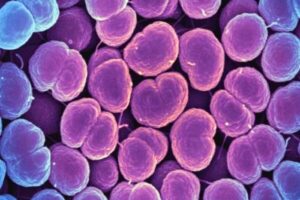
Scanned electron micrograph image of Neisseria gonorrhoeae bacteria, which can cause gonorrhea.

Post-Exposure Antibiotic Shows Major Impact on STI Prevention, Study Finds

woman on phone

Dating App Use Linked to Higher Sexual Health Risks Among College Students

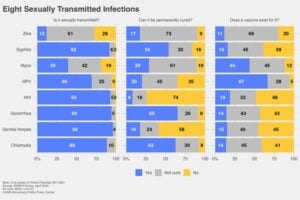
chart of survey replies

Syphilis cases are rising, but many people don’t know symptoms

man and woman lying on ground outside

Fear keeps many from revealing STI diagnosis

Scanned electron micrograph image of Neisseria gonorrhoeae bacteria, which can cause gonorrhea.

Doxycycline cuts sexually transmitted infections by two-thirds

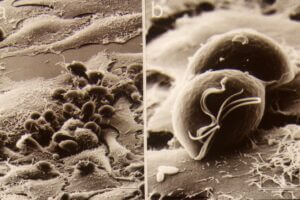
(Left) Scanning electron microscopy image of numerous Trichonomous vaginalis organisms attached to epithelial cells grown in the laboratory. (Right) An enlargement of the microscopy photo showing two organisms grown in the laboratory.

Finger-prick test developed for ‘trich’ a common, undiagnosed STI

Eye closeup

Eye infection tablet may clear up treatment-resistant sex bug

Substack subscription form sign up

Comments

  • Mark Mellinger on Living Plastic Can Self-Destruct on Command
  • Marie Feret on The Silent Frequency That Makes Old Buildings Feel Haunted
  • Dax on The Silent Frequency That Makes Old Buildings Feel Haunted
  • Karoly Mirnics on Common Prescription Drugs May Disrupt Cholesterol Pathways in the Womb and Raise Autism Risk
  • Aizen on Laziness helped lead to extinction of Homo erectus
© 2026 ScienceBlog.com | Follow our RSS / XML feed