Skip to content
ScienceBlog.com
  • Featured Blogs
    • EU Horizon Blog
    • ESA Tracker
    • Experimental Frontiers
    • Josh Mitteldorf’s Aging Matters
    • Dr. Lu Zhang’s Gondwanaland
    • NeuroEdge
    • NIAAA
    • SciChi
    • The Poetry of Science
    • Wild Science
  • Topics
    • Brain & Behavior
    • Earth, Energy & Environment
    • Health
    • Life & Non-humans
    • Physics & Mathematics
    • Social Sciences
    • Space
    • Technology
  • Our Substack
  • Follow Us!
    • Bluesky
    • Threads
    • FaceBook
    • Google News
    • Twitter/X
  • Contribute/Contact

sleep

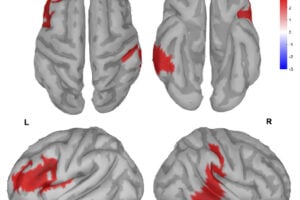
Source analysis of the delta EEG activity associated with the FF condition. Significant differences (P < 0.01, cluster-based correction) in T1/T0 delta ratios between FF and NF. Specifically, difference peaks were found in the left IFG (−36, 16, 28) and in the right middle temporal lobe (70, −30, −2).

Mental Fatigue Makes Brain Areas ‘Fall Asleep,’ Leading to More Aggressive Behavior

blue light sleeping woman

Sleep resets neurons for new memories the next day

Woman sleeping

High-Fat Diet Linked to Anxiety and Gut Bacteria Changes

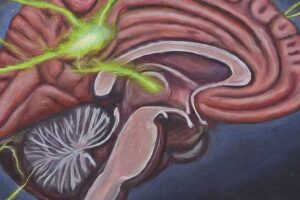
an illustration depicting a stylized cross-section of the human brain, highlighting the hippocampus region.

Brain’s Tagging System Determines Which Memories Become Permanent

sleepy young man waking up and looking older than his age

Sleepless Nights Aging You Faster than You Think

blue light sleeping woman

Blue light could promote or hinder sleep on command

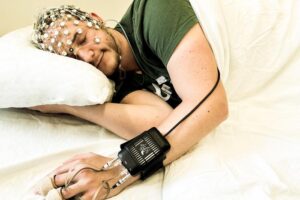
A subject is wearing the deep sleep stimulation system.

Increased deep sleep benefits your heart

Person running on a pier. Courtesy of UCL.

Lack of sleep dampens good effects of exercise on the brain

Sweet potatoes. Credit pixabay

Sweet potato research offers hope for sleep-deprived parents

Family asleep

Too little sleep could make vaccination less effective

A messy bed

Humans don’t hibernate, but we still need more winter sleep

Woman in bed asleep

Trouble sleeping? You could be at risk of type 2 diabetes

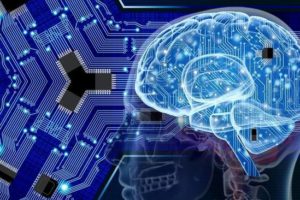
Artificial neural networks are computing systems inspired by biological neural networks that constitute animal brains. Like biological models, they can learn (be trained) by processing examples and forming probability associations, then apply that information to other tasks.

Artificial neural networks need sleep too

Substack subscription form sign up

Comments

  • Norwood johnson on Electrons in New Crystals Behave as If They Live in Four Dimensions
  • ScienceBlog.com on Hidden Geometry Could Finally Fix Quantum Computers
  • Theo Prinse on America Is Going Back to the Moon. This Time, It Plans to Stay
  • george w on Hidden Geometry Could Finally Fix Quantum Computers
  • Tom Hughes on Years of Exercise, Blood Pressure Drugs Failed to Slow Cognitive Decline in Seniors at Dementia Risk
© 2026 ScienceBlog.com | Follow our RSS / XML feed