Skip to content
ScienceBlog.com
  • Featured Blogs
    • EU Horizon Blog
    • ESA Tracker
    • Experimental Frontiers
    • Josh Mitteldorf’s Aging Matters
    • Dr. Lu Zhang’s Gondwanaland
    • NeuroEdge
    • NIAAA
    • SciChi
    • The Poetry of Science
    • Wild Science
  • Topics
    • Brain & Behavior
    • Earth, Energy & Environment
    • Health
    • Life & Non-humans
    • Physics & Mathematics
    • Social Sciences
    • Space
    • Technology
  • Our Substack
  • Follow Us!
    • Bluesky
    • Threads
    • FaceBook
    • Google News
    • Twitter/X
  • Contribute/Contact

sustainable agriculture

Recycled glass for growing salsa ingredients

Recycled Glass: The Secret Ingredient for Growing Healthier Salsa Vegetables

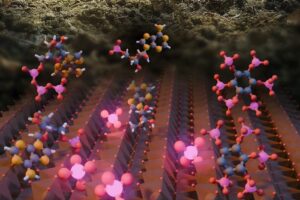
Illustration of phosphorus cleavage from different biomolecules on the surface of natural iron oxide particles.

Iron Oxide Minerals Reshape Our Understanding of Earth’s Phosphorus Cycle

Shadowy forrest

Researchers Unravel the Mysteries of Phosphorus in Woody Plants, Paving the Way for Sustainable Forestry

quadrangularis

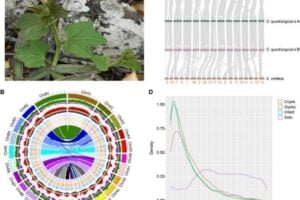
Scientists Unravel the Genetic Secrets of Cissus Quadrangularis for Drought-Resistant Crops

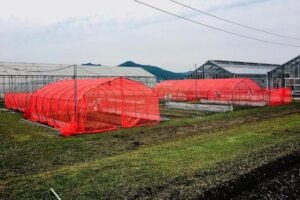
The type of Welsh onions used in the experiment were a variety called Kujo negi. These onions are a traditional vegetable of the Kyoto region and a staple part of local cooking.

Red nets signal “stop” to insect pests, reduce need for insecticides

Ohio State logo

Innovative tech shows promise to boost rubber production in US

Naked Clams in wooden growth panel Credit: University of Plymouth

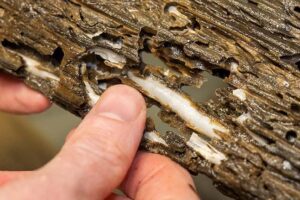
Innovative aquaculture system turns waste wood into nutritious seafood

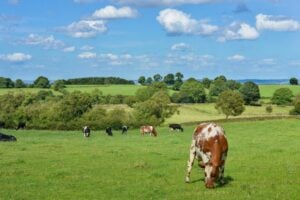
Livestock farmers from Sweden to Greece test paths to greener agriculture

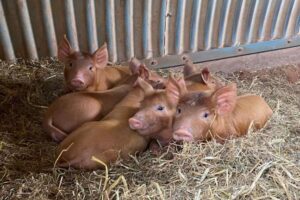
Pigs on a farm Credit: Harriet Bartlett

New animal welfare scoring system could enable better-informed food and farming choices

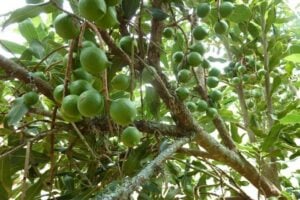
Unripe nuts hang in bunches on the tree. Insect pollination of the macadamia flowers was essential for successful nut production.

Clever orchard design yields more nuts

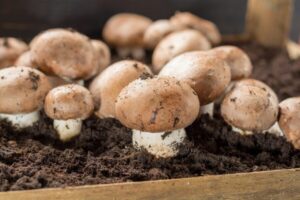
Mushrooms emerge from the shadows in pesticide-free production push

European farms mix things up to guard against food-supply shocks

Changes in environment, government policy, technology and more have increased interest in carbon farming, Texas A&M AgriLife experts say.

Turning wastewater into fertilizer could help to make agriculture more sustainable

Substack subscription form sign up

Comments

  • Marco Messina on More Than a Third of Americans Have Lost Relationships Over Politics
  • Anon on Why Fructose Behaves Less Like a Calorie and More Like a Hormone
  • Mark Mellinger on Living Plastic Can Self-Destruct on Command
  • Marie Feret on The Silent Frequency That Makes Old Buildings Feel Haunted
  • Dax on The Silent Frequency That Makes Old Buildings Feel Haunted
© 2026 ScienceBlog.com | Follow our RSS / XML feed