Skip to content
ScienceBlog.com
  • Featured Blogs
    • EU Horizon Blog
    • ESA Tracker
    • Experimental Frontiers
    • Josh Mitteldorf’s Aging Matters
    • Dr. Lu Zhang’s Gondwanaland
    • NeuroEdge
    • NIAAA
    • SciChi
    • The Poetry of Science
    • Wild Science
  • Topics
    • Brain & Behavior
    • Earth, Energy & Environment
    • Health
    • Life & Non-humans
    • Physics & Mathematics
    • Social Sciences
    • Space
    • Technology
  • Our Substack
  • Follow Us!
    • Bluesky
    • Threads
    • FaceBook
    • Google News
    • Twitter/X
  • Contribute/Contact

sustainable materials

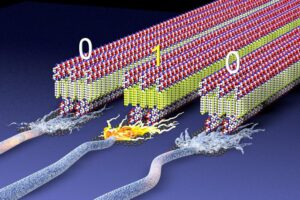
This illustration shows a future vision of assemblies of molecules formed by peptides and miniature molecular segments from a plastic material to create ferroelectric structures that switch polarity to store digital information or signal neurons.

Peptide-Plastic Material Paves the Way for Next-Gen Wearables, Medical Devices

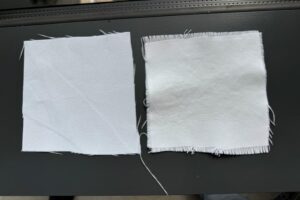
A chalk-based coating attaches to various commercially available textiles, including cotton and synthetic fiber, to create cooling fabrics, such as the treated synthetic material (right) that’s brighter than the untreated fabric (left).

Chalk-Based Fabric Coating Could Keep You Cool in Hot Weather

Researchers looked at how long viruses remained infectious on different species of wood and found that some are promising candidates for sustainable, natural antiviral materials.

Some Wood Surfaces Can Naturally Reduce Virus Infectivity

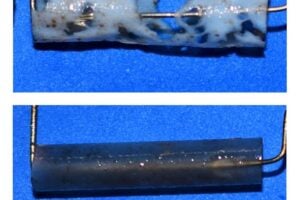
After 16 weeks in seawater, bioplastic straws made of foam (top image) broke down at least twice as fast as the solid versions (bottom image).

Lifetime of ‘biodegradable’ straws in the ocean is 8-20 months, study finds

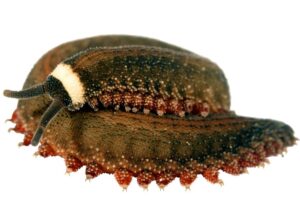
Velvet worm

Velvet Worm slime could inspire sustainable synthetic materials

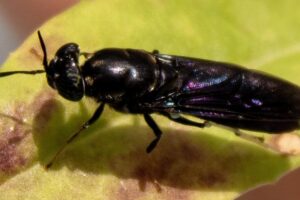
Black soldier flies are a good source of chemicals to make bioplastics.

Making degradable plastic from dead flies

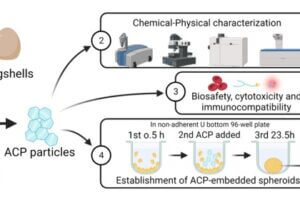
Illustration of egg recycling process

Pushing frontiers through upcycling: Eggshell waste for bone graft material

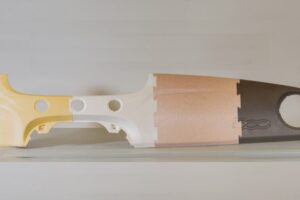
Lemon peel, flax fibres hold keys to eco-friendly car parts

Wood pieces at different stages of modification, from natural (far right) to delignified (second from right) to dried, bleached and delignified (second from left) and MOF-infused functional wood (first on the left).

Engineered wood grows stronger while trapping carbon dioxide

Substack subscription form sign up

Comments

  • Karoly Mirnics on Common Prescription Drugs May Disrupt Cholesterol Pathways in the Womb and Raise Autism Risk
  • Aizen on Laziness helped lead to extinction of Homo erectus
  • Norwood johnson on Electrons in New Crystals Behave as If They Live in Four Dimensions
  • ScienceBlog.com on Hidden Geometry Could Finally Fix Quantum Computers
  • Theo Prinse on America Is Going Back to the Moon. This Time, It Plans to Stay
© 2026 ScienceBlog.com | Follow our RSS / XML feed