Skip to content
ScienceBlog.com
  • Featured Blogs
    • EU Horizon Blog
    • ESA Tracker
    • Experimental Frontiers
    • Josh Mitteldorf’s Aging Matters
    • Dr. Lu Zhang’s Gondwanaland
    • NeuroEdge
    • NIAAA
    • SciChi
    • The Poetry of Science
    • Wild Science
  • Topics
    • Brain & Behavior
    • Earth, Energy & Environment
    • Health
    • Life & Non-humans
    • Physics & Mathematics
    • Social Sciences
    • Space
    • Technology
  • Our Substack
  • Follow Us!
    • Bluesky
    • Threads
    • FaceBook
    • Google News
    • Twitter/X
  • Contribute/Contact

urbanization

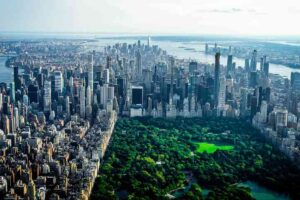
new York seen from above including central park

Global South cities lack cooling green spaces

An illustration depicting a cityscape with buildings, roads, and infrastructure, with a cutaway view showing the underground layers

China’s sinking cities raise alarm for globe

Yong Suk Lee

AI can alert urban planners and policymakers to cities’ decay

Researchers found that songbirds including the Northern Cardinal (pictured here) that live year-round in the urban core of San Antonio, Texas, had eyes about 5% smaller than members of the same species from the less bright outskirts.

Urban light pollution linked to smaller eyes in birds

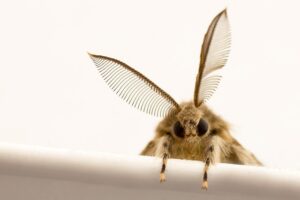
A moth in mid flight. Credit Pixabay

Moths: The Nighttime Heroes of Pollination

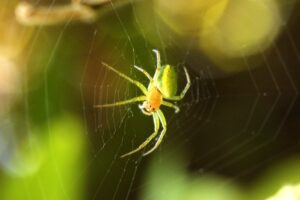
A ‘cucumber green spider’

Wings, not webs: Certain bugs are the winners of urbanization

The horizontal axis corresponds to the elongation of a city, and the vertical axis to its sprawl. Kaduna has the most compact urban form, contributing to having shorter commuting distances.

Measuring 6,000 African cities: Double the population means triple the energy costs

Substack subscription form sign up

Comments

  • Not Buying Yer Bullshit on More Than a Third of Americans Have Lost Relationships Over Politics
  • Marco Messina on More Than a Third of Americans Have Lost Relationships Over Politics
  • Anon on Why Fructose Behaves Less Like a Calorie and More Like a Hormone
  • Mark Mellinger on Living Plastic Can Self-Destruct on Command
  • Marie Feret on The Silent Frequency That Makes Old Buildings Feel Haunted
© 2026 ScienceBlog.com | Follow our RSS / XML feed