Think Your Freshwater Fish Is Safe? 93% Carry Parasites That Can Infect Humans
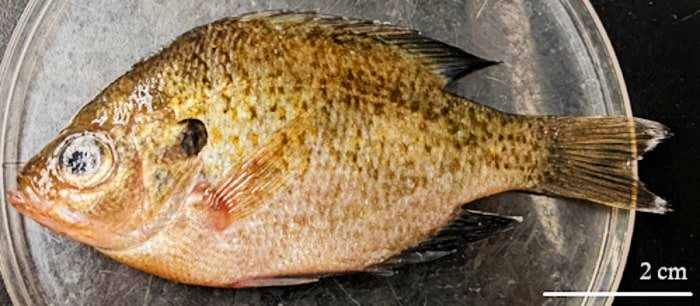
This bluegill collected during the study contained 16,973 H. pumilio and 8 C. formosanus infectious trematode parasite larval stages.

More than 90% of popular freshwater game fish in Southern California harbor invasive parasites capable of infecting humans, according to new research from UC San Diego’s Scripps Institution of Oceanography. The study, published in the Journal of Infectious Diseases, reveals that fish species frequently caught and eaten by Americans carry large numbers of parasitic worms … Read more
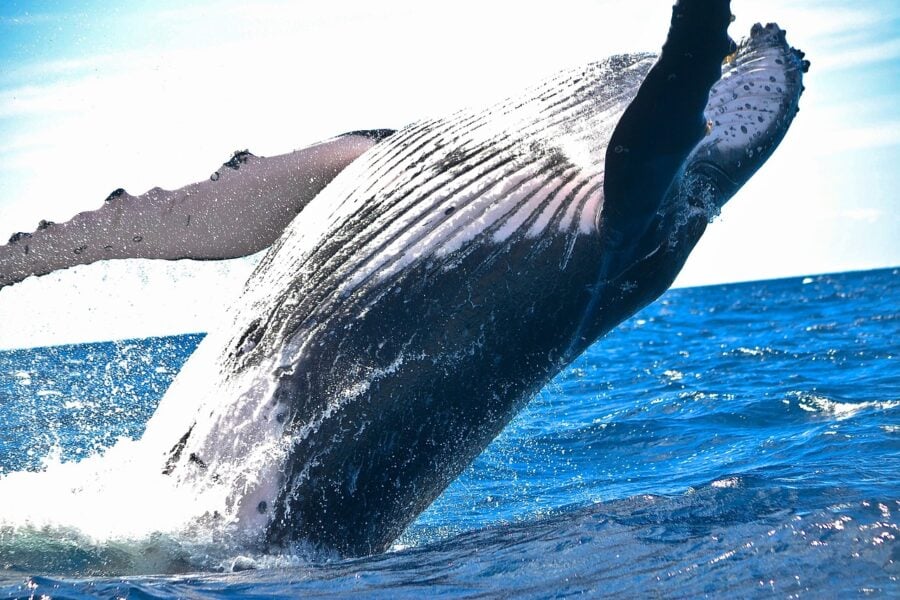
Humpback Whales Give Birth During Migration, Far From Tropics

humpback whale

Vulnerable newborn humpback whales are entering the world much farther south than scientists previously thought, navigating busy shipping lanes and urban coastlines during their most fragile life stage. This surprising discovery challenges long-held beliefs about whale migration patterns and raises urgent questions about protecting these ocean giants during their earliest days. The UNSW-led study, published … Read more

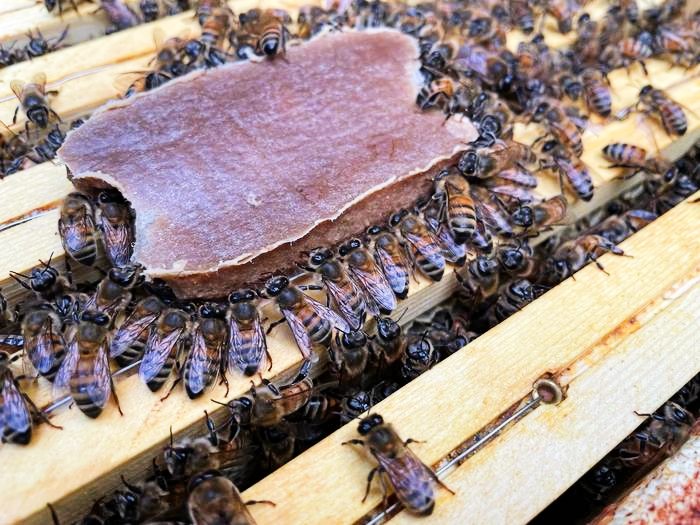
New Study Reveals Microplastics and War Among Emerging Threats to Bees

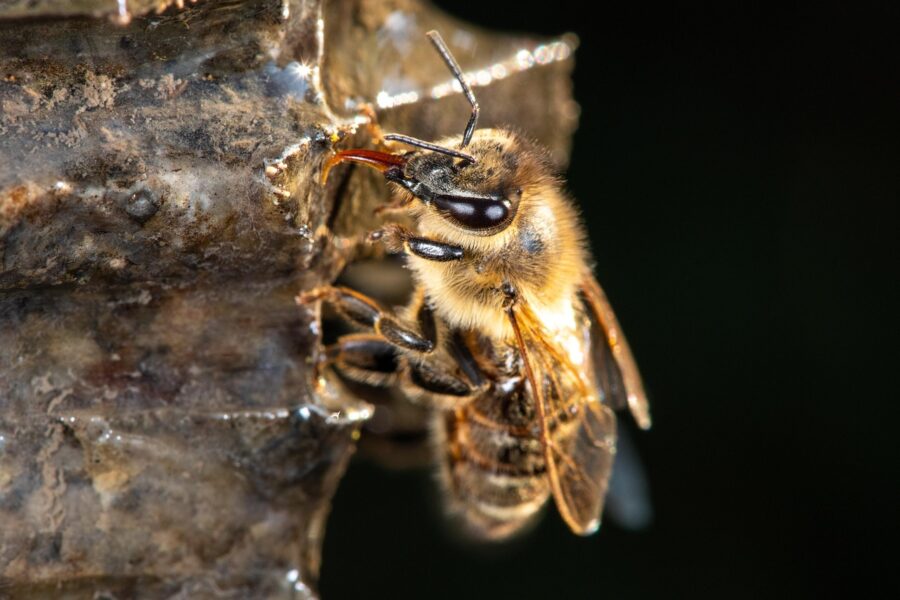
Western honey bee

A new report released on World Bee Day identifies twelve emerging threats that could accelerate pollinator losses over the next decade, with microplastics, conflict-driven crop simplification, and poorly planned climate actions topping the list. The findings from Bee:wild, a science-led global campaign, highlight how these novel dangers could compound well-established threats like habitat loss and … Read more

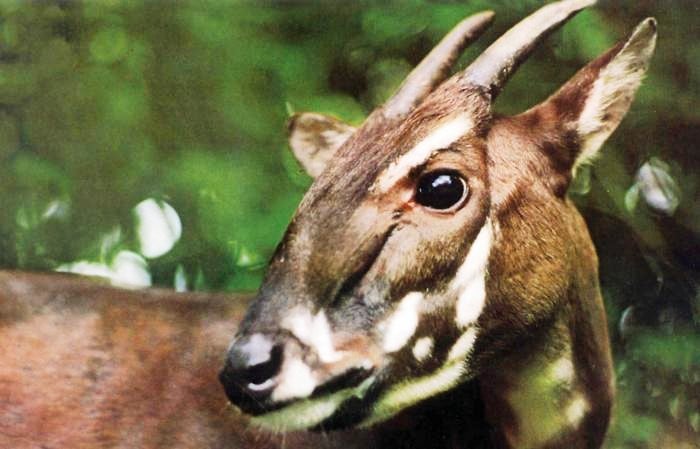
Scientists Race to Save the Mysterious “Asian Unicorn” Before It Vanishes Forever

The rare and endangered saola (Pseudoryx nghetinhensis) has not been observed in the wild since 2013.

Deep in the misty mountain forests between Vietnam and Laos lives a creature so rare and elusive that scientists nicknamed it the “Asian unicorn.” Its formal name is the saola (pronounced “sow-la”), and despite only being discovered in 1992, it might already be extinct. Now, groundbreaking genetic research offers a glimmer of hope for saving … Read more