Africa’s Elephants Are Written in Their Genes, and the Story Is One of Vanishing Connection

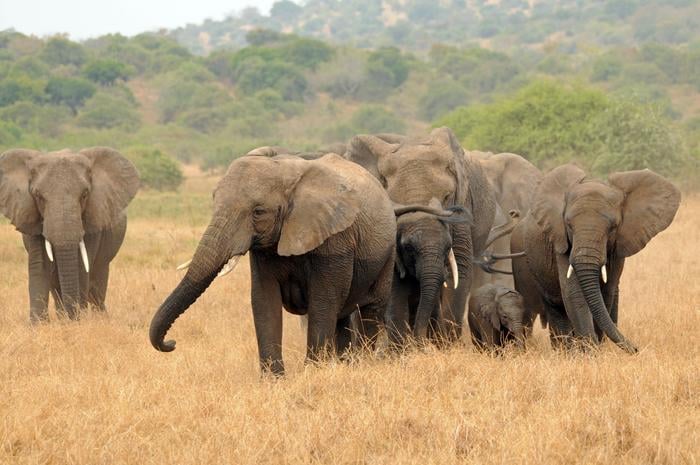
Elephants in Rwanda. In the largest genomic study of African elephants to date, an international team of researchers analysed 232 whole genomes from both savanna and forest elephants, collected across 17 African countries.

In tissue samples drawn from elephant skin biopsies across 17 African countries, in collections that have sat in biobanks for more than thirty years, something like a historical record was waiting to be read. Researchers at the University of Copenhagen and their collaborators have now done exactly that: sequenced 232 whole genomes from both savanna … Read more

Whales Share Resources to Survive Climate Change

Minke whales

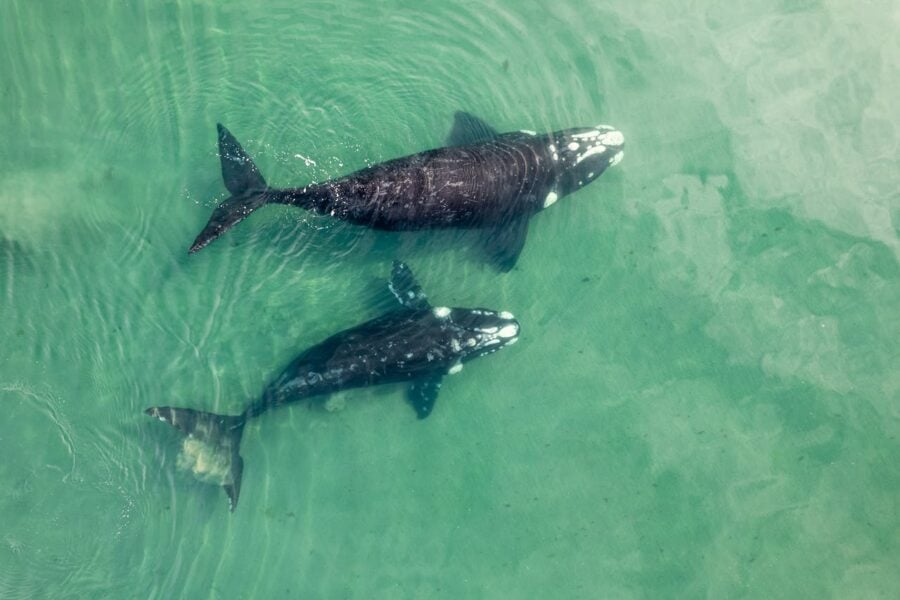
Off Canada’s coast, in the cold waters of the Gulf of St. Lawrence, something extraordinary is quietly happening. Three species of baleen whales—creatures so massive they seem to belong to another era—are changing what they eat. They’re doing it together, shifting their feeding patterns as the ocean warms. But this isn’t the violent competition you … Read more

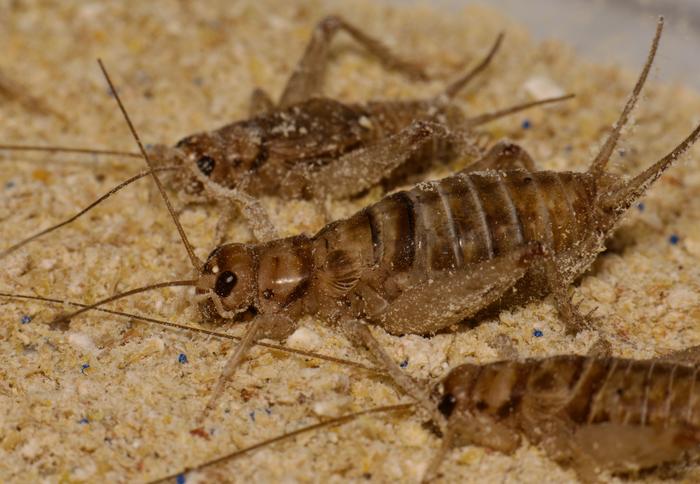
Big Mouth Crickets Grind Microplastics Smaller

Tropical house crickets consumed more plastic-contaminated food over time, even alongside the presence of uncontaminated food.

Tropical house crickets raised in Ottawa, Canada, happily gobbled polyethylene microplastics mixed into their feed, treating them much like normal food. The work appears in Environmental Science & Technology and followed the insects for seven weeks as they grew roughly 20 times heavier without obvious stunting despite chronic plastic exposure. The team used fluorescent plastic … Read more

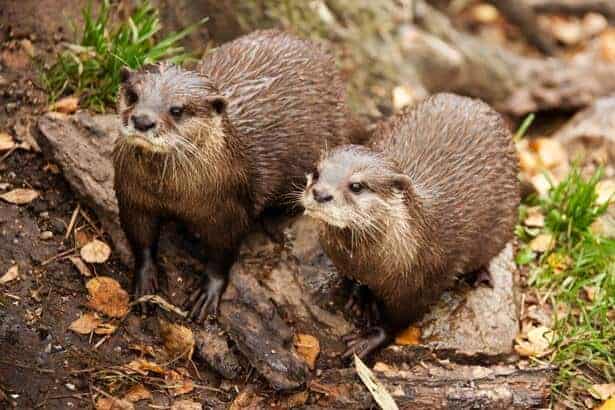
River Otters Feast in Filthy Spots and Still Keep the Bay Healthy

two otters

They dine where they defecate, swim where they hunt, and swallow prey crawling with parasites. North American river otters in Maryland’s Chesapeake Bay may not follow our hygiene rules, but their eating habits reveal a surprisingly important ecological role. In a new study published in Frontiers in Mammal Science, Smithsonian Environmental Research Center scientists offer … Read more

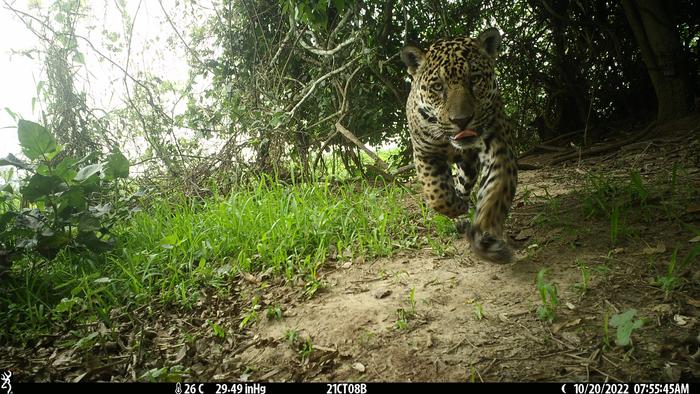
Jaguars Flood Into Brazilian Wetlands After Massive Wildfire

Jaguar in Pantanal region of Brazil.

When wildfires scorched half of Brazil’s northern Pantanal in 2020, researchers expected to find fewer jaguars in their long-term study site. Instead, they discovered something remarkable: the wetland had become a magnet for the big cats, drawing immigrants from fire-ravaged areas and boosting the local population to even higher densities. The finding suggests this corner … Read more

New Study Reveals Microplastics and War Among Emerging Threats to Bees

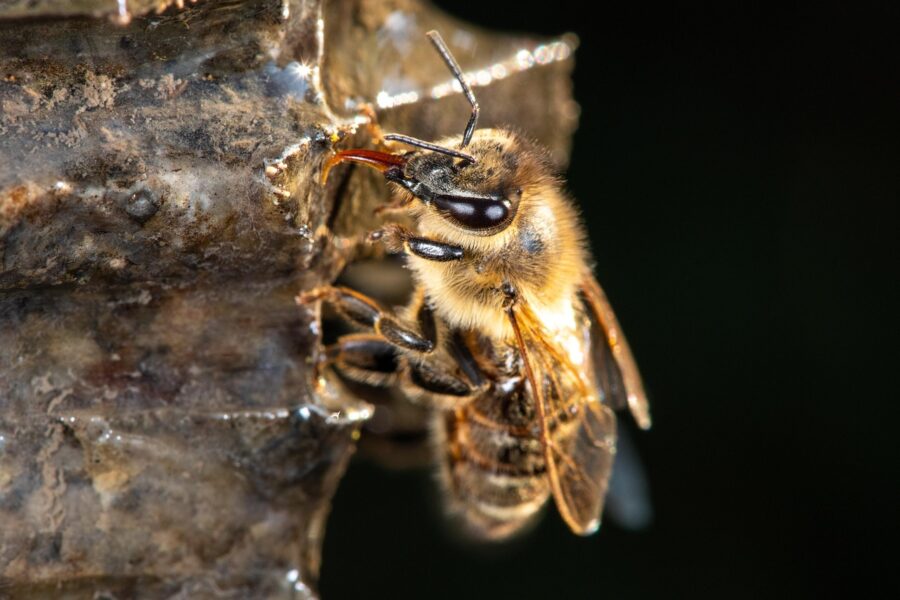
Western honey bee

A new report released on World Bee Day identifies twelve emerging threats that could accelerate pollinator losses over the next decade, with microplastics, conflict-driven crop simplification, and poorly planned climate actions topping the list. The findings from Bee:wild, a science-led global campaign, highlight how these novel dangers could compound well-established threats like habitat loss and … Read more