Africa’s Elephants Are Written in Their Genes, and the Story Is One of Vanishing Connection

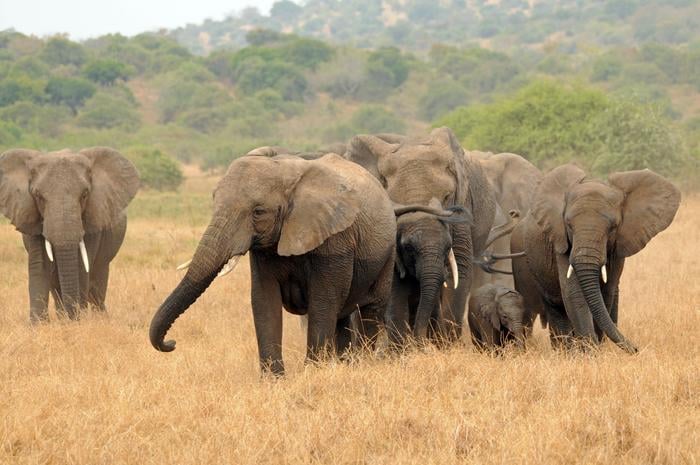
Elephants in Rwanda. In the largest genomic study of African elephants to date, an international team of researchers analysed 232 whole genomes from both savanna and forest elephants, collected across 17 African countries.

In tissue samples drawn from elephant skin biopsies across 17 African countries, in collections that have sat in biobanks for more than thirty years, something like a historical record was waiting to be read. Researchers at the University of Copenhagen and their collaborators have now done exactly that: sequenced 232 whole genomes from both savanna … Read more

Black Soldier Fly Larvae Destroy Most Human Viruses in Waste Within Eight Days

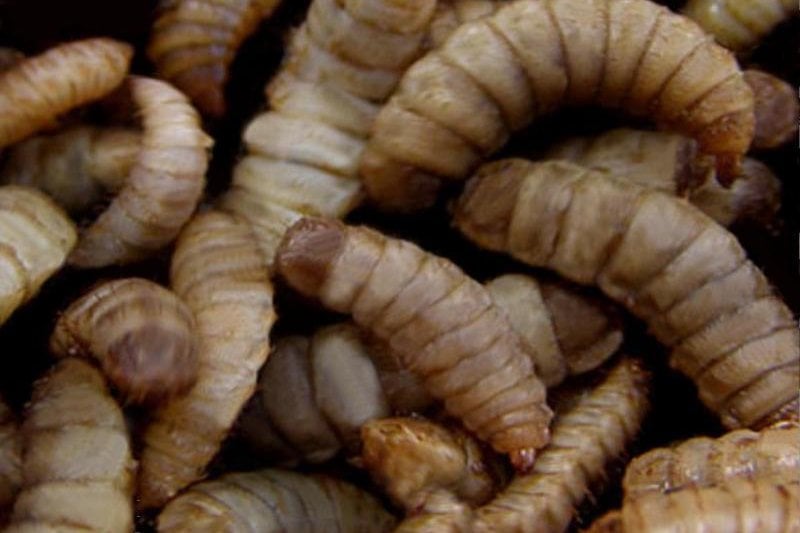
Maggots of black soldier fly, one species that is farmed

Buried in a container of pig manure or sewage sludge, a black soldier fly larva spends its first weeks doing something genuinely useful: eating. It consumes the organic matter around it, converts it into body mass, and excretes what it cannot use as nutrient-rich pellets called frass. The process is efficient, well-understood, and increasingly seen … Read more

City Lights Are Messing With Sharks’ Internal Clocks

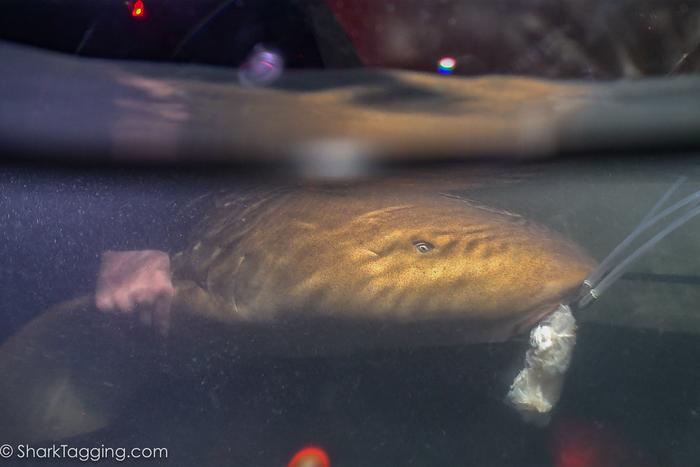
nurse shark

The nurse sharks swimming through Miami’s glowing coastal waters at night aren’t getting much sleep. Their blood tells the story: melatonin levels suppressed, circadian rhythms disrupted, all because the city never really goes dark. For the first time, researchers have measured the hormone in wild sharks and found that artificial light is throwing their biological … Read more

Scientists Fly Drones Through Whale Breath to Track Deadly Virus Above Arctic Circle

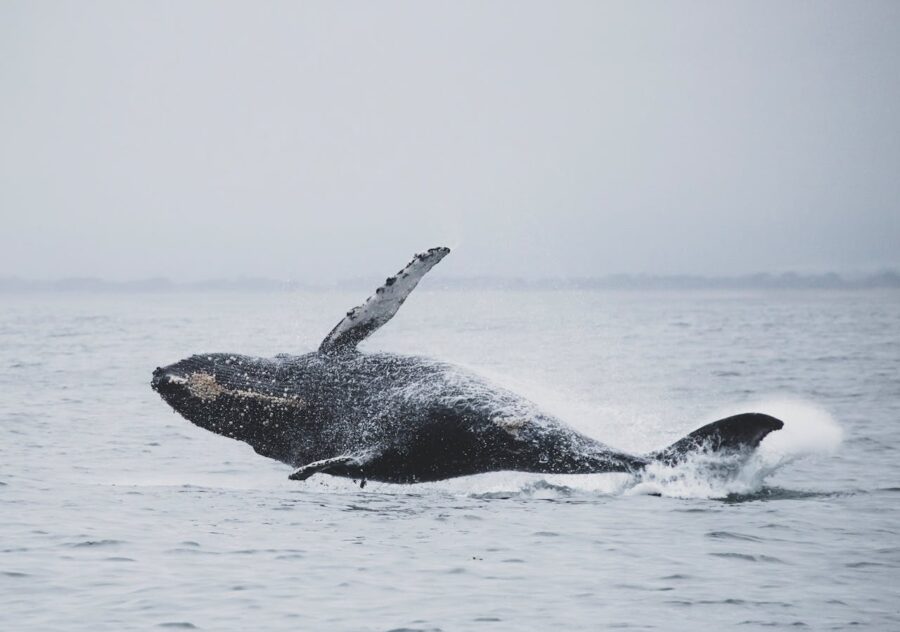
humpback whale

Researchers hovering consumer drones over whale blowholes in northern Norway have detected cetacean morbillivirus circulating in Arctic waters for the first time – a pathogen linked to mass strandings of whales and dolphins worldwide since its discovery in 1987. The approach marks a shift toward non-invasive health surveillance for marine mammals in regions where traditional … Read more

Nearly 80% Of Whale Sharks In This Marine Tourism Hotspot Have Human-Caused Scars

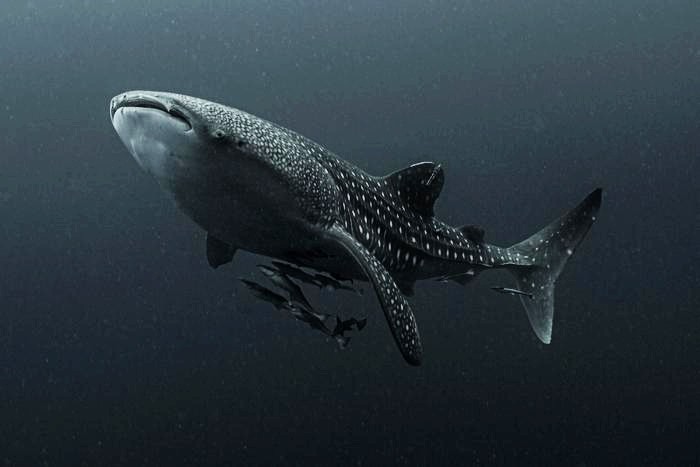
Whaleshark in murky water

Gentle giants are getting scarred. A 13-year study shows that nearly four out of five whale sharks in the Bird’s Head Seascape of Indonesian Papua bear injuries from human activities, mostly through contact with fishing platforms and tourist boats. Researchers say these wounds, though often superficial, highlight how fragile the balance is between local livelihoods, … Read more

When Rattlesnakes Marry Their Cousins Populations Suffer

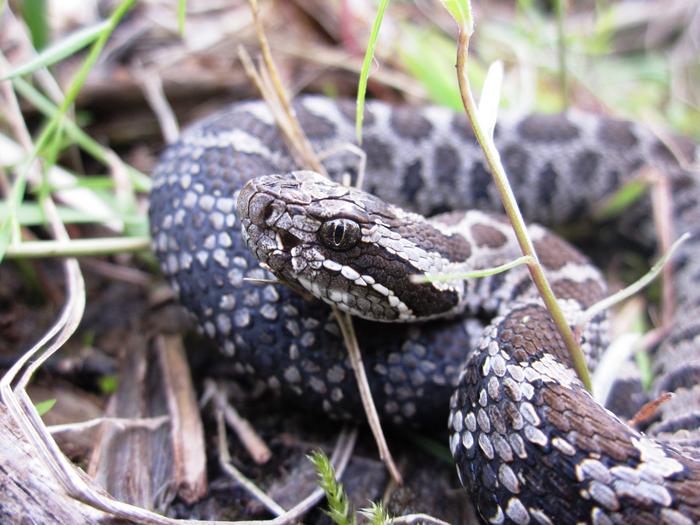
Eastern Massasauga rattlesnakes live in Michigan and other Midwestern states.

Michigan’s only rattlesnake is quietly losing ground. A new 15-year study shows that inbreeding among Eastern Massasauga rattlesnakes is reducing survival and reproductive success, raising alarm for the federally threatened species. The research, led by Michigan State University conservation biologists and published in the Proceedings of the National Academy of Sciences, traced family histories of … Read more

River Otters Feast in Filthy Spots and Still Keep the Bay Healthy

two otters

They dine where they defecate, swim where they hunt, and swallow prey crawling with parasites. North American river otters in Maryland’s Chesapeake Bay may not follow our hygiene rules, but their eating habits reveal a surprisingly important ecological role. In a new study published in Frontiers in Mammal Science, Smithsonian Environmental Research Center scientists offer … Read more