
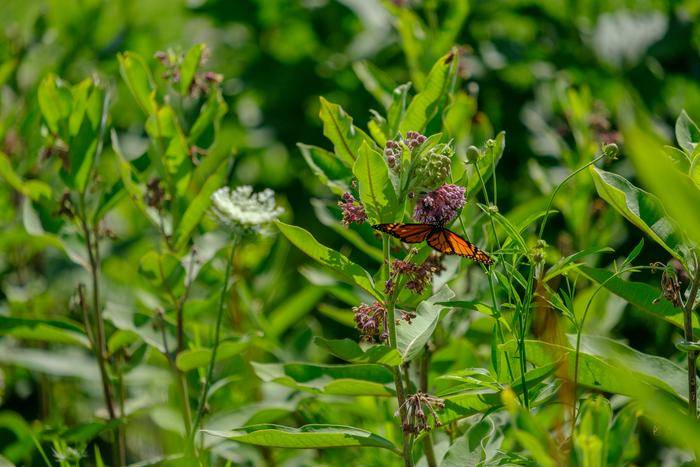
New research reveals that insecticide use, particularly neonicotinoid-treated seeds, is a major culprit behind the shrinking butterfly populations across the US Midwest. The study, published in PLOS ONE, sheds light on the primary drivers of this alarming trend in insect biodiversity.
Unraveling the Butterfly Mystery
A team of researchers, led by Braeden Van Deynze from the Washington Department of Fish and Wildlife, analyzed 17 years of data covering land use, climate, pesticide application, and butterfly populations across 81 counties in five Midwestern states. Their goal was to identify the key factors impacting butterfly populations.
The findings were stark: insecticide use emerged as the strongest link to both declines in butterfly population sizes and species diversity. Neonicotinoid-treated crop seeds appeared to have the most significant impact, causing an 8% drop in butterfly diversity. This pesticide was also identified as the primary factor explaining the decline of the iconic monarch butterfly in the Midwest.
The Shift in Pesticide Use and Its Consequences
The study highlights a crucial change in agricultural practices – the move from reactive insecticides, applied after an infestation begins, to prophylactic insecticides applied to crop seeds. This shift has had a demonstrably negative effect on butterfly diversity and population sizes in the Midwest.
The researchers emphasized the need for more comprehensive and consistently reported pesticide use data, particularly for neonicotinoid seed treatments. Such information is crucial for fully understanding and addressing the causes of butterfly decline.
“We have taken a large step toward pinpointing the cause of decades of butterfly declines. Of the three causes typically invoked, insecticides rise above climate and land use changes as the most negative factors,” the authors stated.
This groundbreaking research not only provides valuable insights into the complex issue of insect biodiversity loss but also underscores the urgent need for more sustainable agricultural practices. As butterfly populations continue to dwindle, the findings serve as a call to action for policymakers, farmers, and conservationists to reevaluate current pesticide use and its long-term environmental impacts.
ScienceBlog.com has no paywalls, no sponsored content, and no agenda beyond getting the science right. Every story here is written to inform, not to impress an advertiser or push a point of view.
Good science journalism takes time — reading the papers, checking the claims, finding researchers who can put findings in context. We do that work because we think it matters.
If you find this site useful, consider supporting it with a donation. Even a few dollars a month helps keep the coverage independent and free for everyone.