

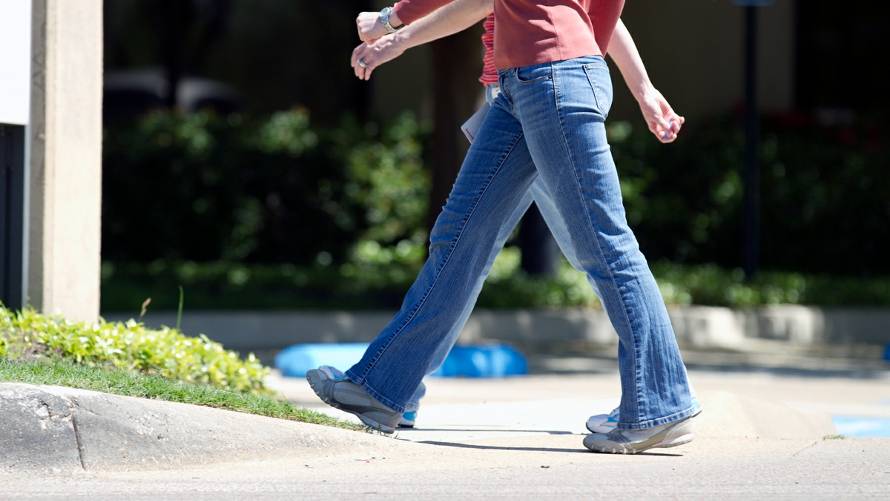
A brisk walk for just 15 minutes a day may be all it takes to reduce your risk of dying early, especially if you live in a low-income community.
That’s the finding of a large new study from Vanderbilt University Medical Center, which tracked nearly 80,000 adults for more than 16 years. Fast walkers in the study had nearly 20% lower mortality compared to those who didn’t walk briskly, even after accounting for other lifestyle factors like diet and smoking.
Fast Walking Pays Off—Even in Short Bursts
The research, published July 29 in the American Journal of Preventive Medicine, stands out for its focus on a largely low-income, racially diverse population—groups often left out of fitness studies. Most of the participants were Black and earned under $15,000 per year.
“This is one of the few studies to quantify the effect of daily walking on mortality in a low-income and predominantly Black U.S. population,” said senior author Dr. Wei Zheng, director of the Vanderbilt Epidemiology Center.
The researchers used data from the Southern Community Cohort Study, an ongoing project enrolling adults aged 40 to 79 from 12 Southeastern states. Participants reported how much time they spent walking slowly versus walking fast each day, along with information on their health, habits, and background.
Key findings from the study:
- Fast walking just 15 minutes per day was linked to a 19% reduction in all-cause mortality.
- Slow walking for more than three hours per day yielded only a 4% reduction in mortality.
- Fast walking lowered risk of death from cardiovascular disease, the leading cause of death in the U.S.
- The benefits of fast walking remained even for those who were otherwise physically inactive.
A Low-Cost, High-Impact Activity
Dr. Zheng emphasized that fast walking is “a low-cost and largely accessible activity” that should be promoted as a public health strategy, especially for underserved populations. In communities where gym memberships or safe outdoor spaces may be limited, fast walking offers a simple alternative.
“Brisk walking offers a convenient, accessible and low-impact activity that individuals of all ages and fitness levels can use to improve general health and cardiovascular health specifically,” Zheng said.
The benefits appeared strongest for heart disease, particularly ischemic heart disease and heart failure. Fast walking may improve heart function by boosting cardiac output and lowering blood pressure, cholesterol, and body fat.
Why This Study Is Different
Previous studies linking walking to longer life have mostly focused on higher-income, predominantly white populations. This study’s population was 66% Black, and most participants were recruited through community health centers serving low-income neighborhoods.
Participants who walked fast were more likely to be younger and employed, but even those with chronic conditions like diabetes or hypertension saw gains from brisk walking. Stratified analyses showed that the mortality benefit of fast walking was more pronounced among nonsmokers and people with higher incomes, but benefits were seen across all subgroups.
What Counts as “Fast Walking”?
Participants reported fast walking as activities like brisk walking, climbing stairs, or exercising. The pace was self-defined, which could introduce some variation, but the effect was consistent: those who walked fast lived longer, no matter how long they spent sitting or how much other physical activity they did.
Limitations and Future Directions
The researchers noted a few caveats. Walking time was self-reported and measured only once at the start of the study. It’s possible some participants increased or decreased their walking habits over time. Additionally, the data did not include objective measures like step counts or gait speed.
Still, the long follow-up period, large sample size, and robust statistical adjustments make the results compelling.
Walking Toward Better Health
With healthcare costs and cardiovascular disease rates soaring, the study adds fuel to the argument that simple, consistent movement can offer life-extending rewards.
Fast walking isn’t just for the already fit. It’s for anyone with a sidewalk, 15 spare minutes, and the desire to live a little longer.
Journal
American Journal of Preventive Medicine