

When 16-year-old children take their own lives with firearms, they’re most likely reaching for a gun that belongs to their parents. And in most cases, that weapon was stored loaded and unlocked, making it devastatingly accessible in a moment of crisis.
New research presented at the American Academy of Pediatrics conference reveals a stark pattern in youth firearm suicides: among children ages 10-17, parents owned the weapons used in more than half of these tragic deaths. The finding underscores how family gun storage practices can mean the difference between a survivable mental health crisis and a permanent tragedy.
Dr. Sofia Chaudhary, a pediatric emergency medicine physician at Emory University School of Medicine, analyzed 1,021 firearm suicides by young people ages 10-24 across nine states from 2018-2021. Her research found that children were 10 times more likely than young adults to use a parent’s gun when ending their lives.
“As a pediatric emergency medicine physician, I see far too many youth who have attempted suicide in my practice. I plan to use this information to counsel parents and youth about the importance of secure firearm storage as a means to prevent youth suicide.”
The age divide in the data tells a compelling story about access and ownership. While 53% of 18-24-year-olds used their own firearms, only 4% of younger teens did so. Instead, 56% of the 10-17-year-old victims accessed weapons belonging to their parents, compared to just 11% of young adults.
Storage Patterns Reveal Deadly Accessibility
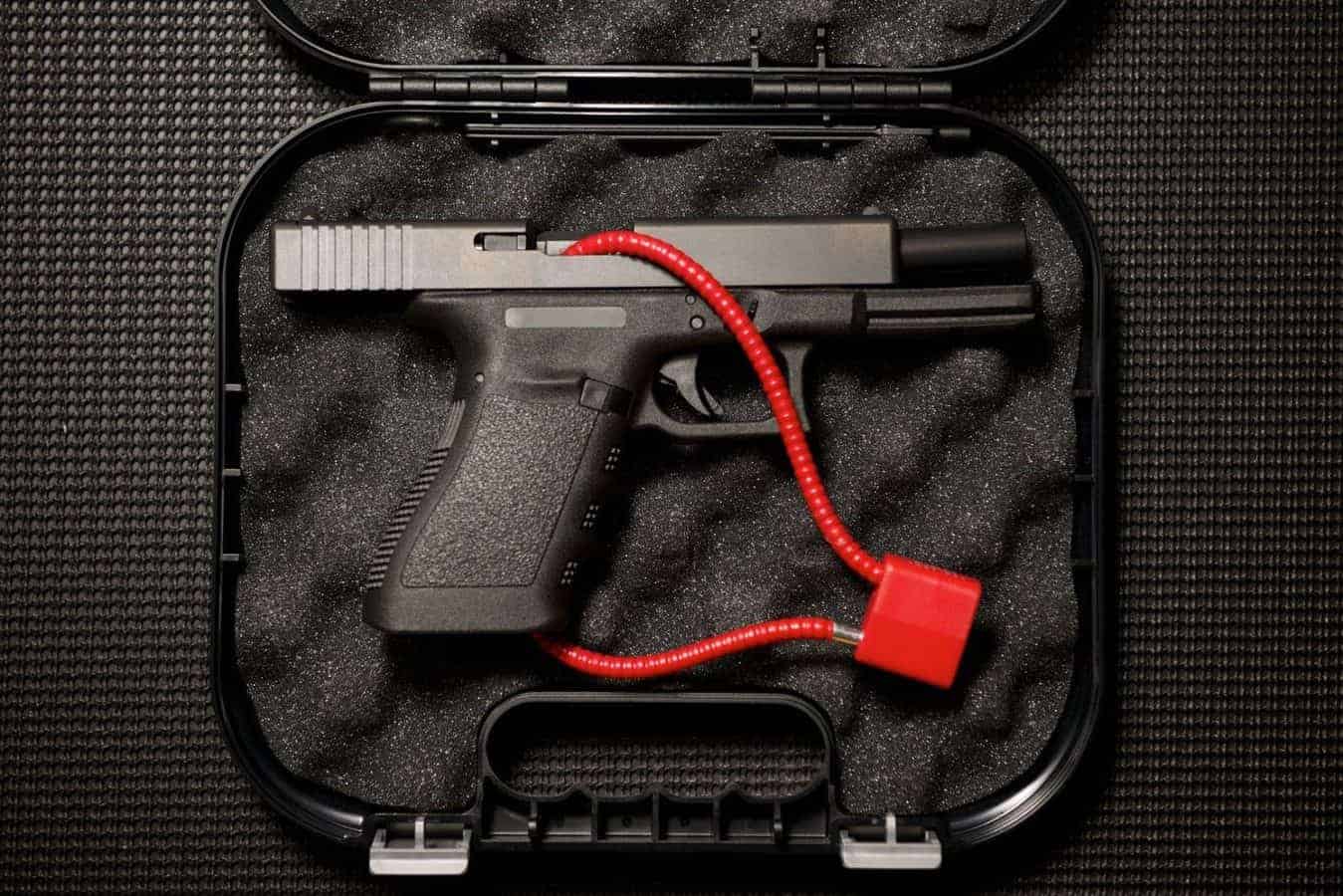
Perhaps most troubling were the storage practices surrounding these deaths. Among cases where storage information was available, 67% of firearms were kept unlocked and 78% remained loaded. Only 9% were stored using the most secure method – locked and unloaded.
Even when broken down by age, the patterns remained concerning. For the youngest victims, 60% of firearms were stored unlocked and 70% loaded. Among older teens and young adults, the numbers were even higher: 69% unlocked and 81% loaded.
The research draws from the CDC’s National Violent Death Reporting System, focusing on states that provided firearm ownership data for at least 70% of cases. The victims were predominantly male (89%), white (82%), and non-Hispanic (80%), with about 70% of suicides occurring in homes or apartments.
Mental Health History Complicates Prevention
Chaudhary’s analysis revealed another layer of complexity: among young people with known mental health problems who died by firearm suicide, 60% used their own weapons. This finding challenges the assumption that removing parental guns alone would prevent these tragedies.
“This speaks to the importance of secure firearm storage among youth with mental health problems, a group known to be at elevated risk for suicide.”
The implications stretch beyond individual families to broader public health policy. Suicide ranks as the second leading cause of death for Americans ages 10-24, and firearms represent the most lethal means available. Unlike other suicide methods, guns allow little opportunity for reconsideration or rescue.
Chaudhary’s research suggests that prevention strategies must address multiple pathways to lethal means. While securing parental firearms remains crucial for protecting younger children, older teens and young adults require different interventions, including restrictions on their own weapon purchases and storage requirements.
The study’s geographic scope – spanning states from Hawaii to Maine – suggests these patterns transcend regional differences in gun culture or mental health resources. Whether in rural Montana or suburban Connecticut, the fundamental relationship between accessible firearms and youth suicide appears consistent.
As families grapple with rising youth mental health challenges, Chaudhary’s findings offer a concrete prevention strategy. In homes where firearms are present, secure storage practices – keeping weapons locked, unloaded, and separate from ammunition – could transform a permanent tragedy into a survivable crisis, giving young people the chance to move through their darkest moments toward recovery and hope.