

About 40 percent of people with advanced melanoma watch their tumors adapt and spread despite immunotherapy, often to the lungs, where cancer cells build molecular shields that keep the body’s defenses locked out. The problem isn’t that checkpoint inhibitors fail entirely. It’s that tumors learn to suppress immune activity through multiple pathways at once, and blocking just one rarely does the job.
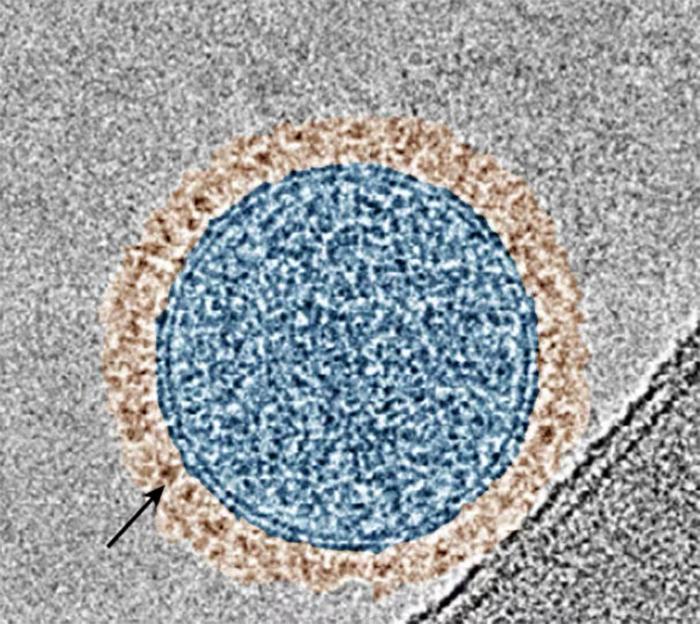
Columbia University engineers report an inhalable therapy designed to dismantle that resistance directly in lung tissue. The system uses exosomes, nanoscale vesicles the body already produces, to carry two therapeutic proteins simultaneously. One blocks the PD-1 or PD-L1 checkpoint pathway that silences T cells. The other interferes with Wnt or beta-catenin signaling, which physically excludes immune cells from entering tumors. The work, led by biomedical engineer Ke Cheng, appears in Nature Biotechnology.
Standard antibody drugs circulate through the bloodstream and may not reach tumors in the right proportions or at the same time. By co-displaying both proteins on a single exosome using a sorting domain called Alix, the researchers ensured each carrier delivers a coordinated signal in a precise one-to-one ratio. When inhaled, the engineered exosomes stick to lung tissue far better than intravenous antibodies, concentrating exactly where metastases tend to form.
Recruiting Killers, Avoiding Collateral Damage
In mouse models of metastatic melanoma that no longer responded to checkpoint inhibitors, the inhaled therapy completely reversed resistance. The treatment recruited cancer-killing CD8 T cells into tumors and reduced signs of immune exhaustion. Importantly, local delivery meant the therapy didn’t circulate throughout the body triggering autoimmune toxicity, a common problem with systemic immunotherapies that broadly activate immune responses.
The team tested the approach across four types of resistant melanoma, including a humanized model using patient-derived tumors. In every case, the bispecific exosomes outperformed dual-antibody treatments. The therapy also suppressed tumors in the liver, suggesting the platform might work beyond lung metastases. Safety assessments showed no detectable liver or kidney damage in mice.
“The tandem exosome engineering method opens a new way to deliver multiple therapeutic proteins locally, a platform that could apply to autoimmune, infectious, or fibrotic diseases where multi-target modulation is needed,” Ke Cheng explains.
What Comes Next
The work remains preclinical. Cheng’s team emphasizes that larger animal studies, formal toxicology assessments, and preparation for early-phase human trials are still ahead. The approach reframes drug resistance not as a single lock to pick but as a system that may need to be disabled in parallel.
Immune checkpoint inhibitors work by releasing molecular brakes that normally prevent immune cells from attacking healthy tissue. Cancer cells exploit those same brakes to avoid detection. When tumors develop resistance, they often activate additional suppression pathways, creating a layered defense. The BEAT system, short for bispecific exosome activator of T cells, addresses this by simultaneously cutting the brakes on immune cells and opening the locked doors that keep them from reaching tumors.
If the strategy translates to people, inhalable multi-target therapies could change how clinicians approach cancers that have learned to hide in plain sight. For patients whose melanoma no longer responds to today’s best drugs, this localized nanotherapy represents a new tactical option, one that concentrates firepower exactly where the disease digs in.