
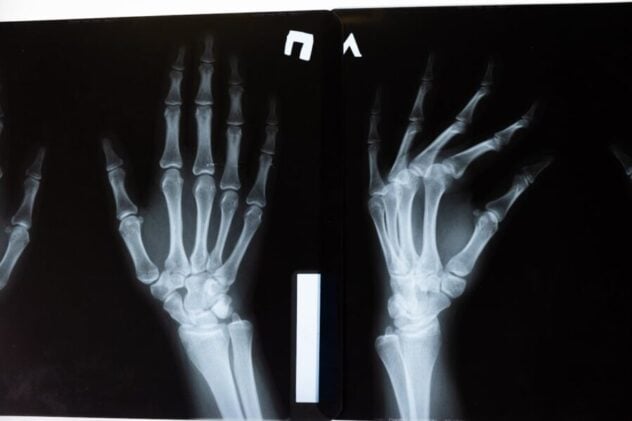
The orthopedic clinic smells like plaster and antiseptic. A patient sits for a scheduled follow-up on a knee replacement. The surgeon reviews X-rays, checks range of motion, schedules physical therapy. The visit ends. No one asks about the bruises that don’t match the surgical site.
A 24-year analysis from Mass General Brigham reveals that orthopedic surgeons identify intimate partner violence at staggeringly low rates—just 0.3 percent of referrals to domestic abuse programs came from orthopedic providers, despite musculoskeletal injuries being among the most common physical manifestations of abuse. Emergency departments, by comparison, generated nearly 30 percent of referrals. The study, published in JBJS Open Access, examined over 11,000 patients who disclosed violence and found that orthopedic settings represent a massive blind spot in a system designed to catch signs of harm.
The Last Point of Contact
What makes this gap particularly troubling: for many patients, the orthopedic team was their only medical contact. More than three quarters of those eventually referred through orthopedics hadn’t seen any other specialist in the six months before disclosure. If the surgeon didn’t notice, nobody would.
The pattern challenges assumptions about when and where abuse surfaces in medical care. Over half the patients referred by orthopedics came in for routine, elective procedures—joint replacements, spine surgery, chronic pain management. Not trauma cases. Not emergency visits. Scheduled appointments where someone noticed something off about an injury pattern or how a patient flinched during examination.
Nurses, residents, and advanced practice providers identified most cases, not attending surgeons. Social workers facilitated referrals, but patients rarely disclosed to them first. The entire care team mattered, but the system wasn’t set up to use that advantage. Researchers noted that orthopedic clinicians develop extended relationships with patients through follow-up visits and rehabilitation, creating natural opportunities to spot inconsistencies or concerning dynamics that might not register during a single ER encounter.
“This study underscores the urgent need for tools that combine our clinical expertise with support to provide timely, life-saving referrals,” Ophelie Lavoie-Gagne explains. “Identifying risk early could alleviate suffering and could also prevent a patient’s death.”
What Changes When Someone Asks
The researchers point to emerging artificial intelligence models that could scan imaging and clinical notes for subtle injury patterns associated with abuse—fractures that don’t match reported mechanisms, repeated “accidents,” documentation gaps. The technology wouldn’t replace clinical judgment but could prompt the right question at the right moment, particularly in high-volume practices where cognitive load makes pattern recognition harder.
When orthopedic teams did identify abuse, the intervention had measurable impact. Patients engaged with safety planning, modified their treatment to account for their home situation, and many remained connected to support programs for years. The data suggests these weren’t false positives or overreach—they were patients who desperately needed someone to notice and had run out of other chances for medical contact.
The study doesn’t propose turning orthopedic surgeons into social workers or adding another screening checklist to already packed appointments. It argues that clinicians who already possess deep expertise in injury mechanisms and build trust through ongoing care are uniquely positioned to recognize what others miss. A hip replacement consultation or a fracture follow-up might be the only window into a patient’s life where someone with the training to spot inconsistent injury patterns is actually looking.
For patients whose only consistent healthcare contact is managing chronic pain or repairing bones, that orthopedic visit may represent not just treatment but the difference between remaining invisible and getting help.
JBJS Open Access: 10.2106/JBJS.OA.25.00148
ScienceBlog.com has no paywalls, no sponsored content, and no agenda beyond getting the science right. Every story here is written to inform, not to impress an advertiser or push a point of view.
Good science journalism takes time — reading the papers, checking the claims, finding researchers who can put findings in context. We do that work because we think it matters.
If you find this site useful, consider supporting it with a donation. Even a few dollars a month helps keep the coverage independent and free for everyone.