
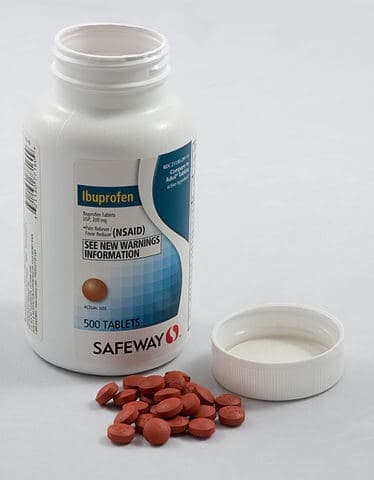
New research published in the Journal of Leukocyte Biology suggests that macrophages from the lungs of old mice responded differently to infections than those of young mice, ibuprofen reversed these changes
New research involving mice suggests that the key to more youthful immune function might already be in your medicine cabinet. In a report published in the Journal of Leukocyte Biology scientists show that macrophages from the lungs of old mice had different responses to Mycobacterium tuberculosis than macrophages from young mice, but these changes were reversed by ibuprofen.
“Inflammation in old age can have significant consequences on immune function,” said Joanne Turner, Ph.D., a researcher involved in the work from the Department of Microbial Infection and Immunity and Center for Microbial Interface Biology at The Ohio State University in Columbus, Ohio. “With this knowledge, it may be possible to reduce or prevent some diseases in the elderly by decreasing inflammation with diet, exercise and/or drugs.”
To make this discovery, scientists measured inflammatory markers in the total lung or within purified macrophage populations of young healthy mice and of old healthy mice. Inflammatory markers were elevated in old mice, and isolated macrophages from both old and young healthy mice responded differentially to infection with Mycobacterium tuberculosis in vitro. This suggests that the altered interactions with M. tuberculosis were linked to inflammation in old age. The researchers then placed a group of old, but healthy, mice on an ibuprofen supplemented diet, and this reduced inflammation and restored immune function to that of young healthy mice.
“This may give new meaning to the phrase ‘take two aspirins and call me in the morning,'” said John Wherry, Ph.D., Deputy Editor of the Journal of Leukocyte Biology. “The report may not be about aspirin, but it does show that over-the-counter remedies may broader value that usually appreciated, including by affecting immune functions that change with age.”
ScienceBlog.com has no paywalls, no sponsored content, and no agenda beyond getting the science right. Every story here is written to inform, not to impress an advertiser or push a point of view.
Good science journalism takes time — reading the papers, checking the claims, finding researchers who can put findings in context. We do that work because we think it matters.
If you find this site useful, consider supporting it with a donation. Even a few dollars a month helps keep the coverage independent and free for everyone.