Skip to content
ScienceBlog.com
  • Featured Blogs
    • EU Horizon Blog
    • ESA Tracker
    • Experimental Frontiers
    • Josh Mitteldorf’s Aging Matters
    • Dr. Lu Zhang’s Gondwanaland
    • NeuroEdge
    • NIAAA
    • SciChi
    • The Poetry of Science
    • Wild Science
  • Topics
    • Brain & Behavior
    • Earth, Energy & Environment
    • Health
    • Life & Non-humans
    • Physics & Mathematics
    • Social Sciences
    • Space
    • Technology
  • Our Substack
  • Follow Us!
    • Bluesky
    • Threads
    • FaceBook
    • Google News
    • Twitter/X
  • Contribute/Contact

Cell Press

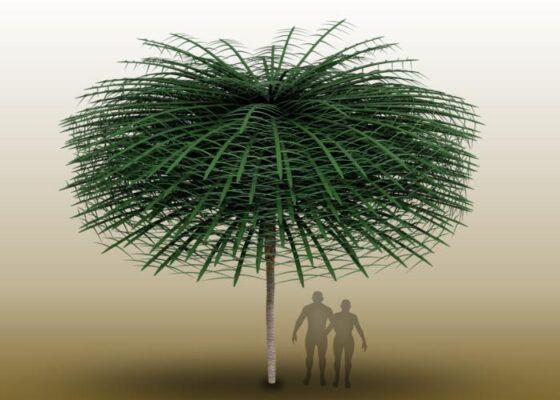
fossil tree

Rare 3D fossils show that some early trees had forms unlike any you’ve ever seen

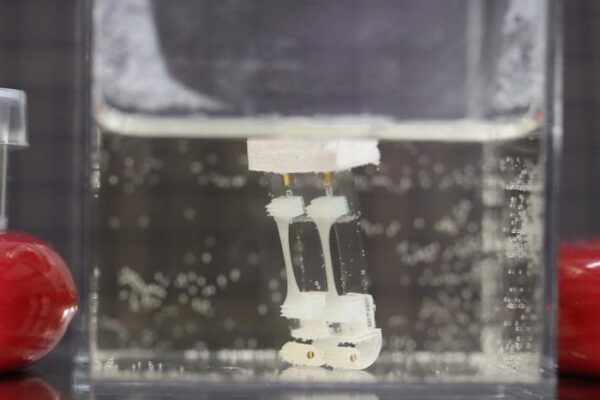
Two-legged biohybrid robot

Scientists design a two-legged robot powered by muscle tissue

a reindeer eating

Reindeer sleep while chewing their cud

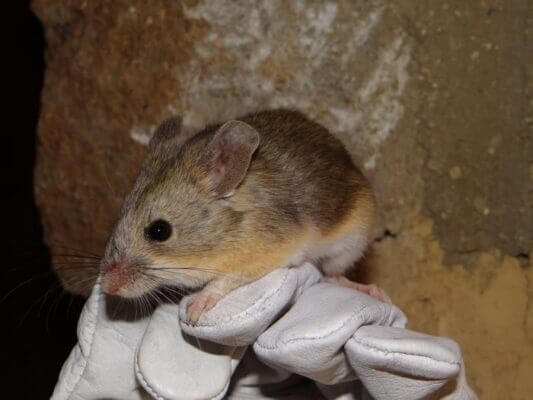
This photograph shows a member of a species of leaf-eared mouse called Phyllotis vaccarum.

Mouse mummies point to mammalian life in “Mars-like” Andes

Data center

Heating data centers to 41°C/105°F, could save big on global energy consumption

Forest CREDIT Jesús Aguirre Gutiérrez

Carbon-capture tree plantations threaten tropical biodiversity for little gain, ecologists say

Maize growing in a field

Resistant starch supplement reduces liver triglycerides in people with fatty liver disease

Artistic rendition of the decapitation scene of Tanystropheus hydroides

Decapitated Dinosaurs: Fossil Evidence Confirms Predators Exploited Long Necks of Ancient Marine Reptiles

A selection of deep-sea specimens from the museum’s collection. - Trustees of the Natural History Museum London

Urgent Need to Protect Deep-Sea Species Amidst Impending Mining Activities

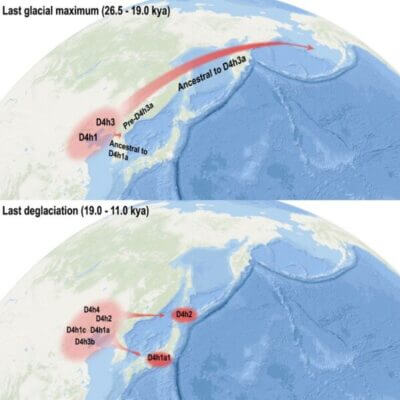
Infochart showing migration from China to Japan, and then to the Americas

Were early Americans really Chinese — or Japanese?

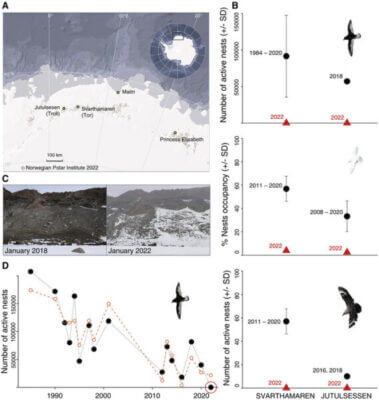
Seabird reproduction in Dronning Maud Land Antarctica

Entire populations of Antarctic seabirds fail to breed due to extreme snowstorms

This is a histological image of a rat brain with a grafted human brain organoid.

Human brain tissue responds to visual stimuli when transplanted into rats

Closeup of ant with object in its jaws

These ants don’t just walk randomly; they “meander” systematically

Skull of one of the mysterious backtrackers

Ancient Siberian population migrated back from North America

Older posts
Newer posts
← Previous Page1 Page2 Page3 Page4 Page5 Next →
Substack subscription form sign up

Comments

  • Not Buying Yer Bullshit on More Than a Third of Americans Have Lost Relationships Over Politics
  • Marco Messina on More Than a Third of Americans Have Lost Relationships Over Politics
  • Anon on Why Fructose Behaves Less Like a Calorie and More Like a Hormone
  • Mark Mellinger on Living Plastic Can Self-Destruct on Command
  • Marie Feret on The Silent Frequency That Makes Old Buildings Feel Haunted
© 2026 ScienceBlog.com | Follow our RSS / XML feed