Skip to content
ScienceBlog.com
  • Featured Blogs
    • EU Horizon Blog
    • ESA Tracker
    • Experimental Frontiers
    • Josh Mitteldorf’s Aging Matters
    • Dr. Lu Zhang’s Gondwanaland
    • NeuroEdge
    • NIAAA
    • SciChi
    • The Poetry of Science
    • Wild Science
  • Topics
    • Brain & Behavior
    • Earth, Energy & Environment
    • Health
    • Life & Non-humans
    • Physics & Mathematics
    • Social Sciences
    • Space
    • Technology
  • Our Substack
  • Follow Us!
    • Bluesky
    • Threads
    • FaceBook
    • Google News
    • Twitter/X
  • Contribute/Contact

Frontiers In

A blue ring formed in 1902 in a tree in northern Norway. Image by Pawel Matulewski and Liliana Siekacz.

Ancient Tree Rings Hold Clues to Volcanic Cooling Events

roofers atop a home

Study Reveals How Accent Bias Affects Justice System

Critical next steps for large-scale solar splitting of water using photocatalysts. Image: Hisatomi et al/Frontiers

Japanese Solar Tech Could Turn Water into Clean Hydrogen Fuel

close up of woman's lips

First-Ever 3D Lip Cell Model Advances Treatment of Facial Injuries

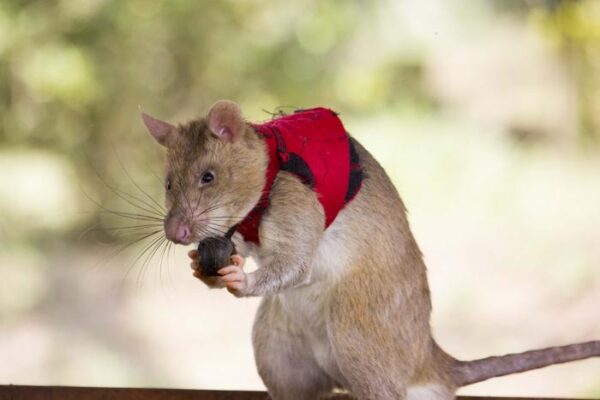
Giant rats could soon fight illegal wildlife trade by sniffing out elephant tusk and rhino horn

Giant rats could soon fight illegal wildlife trade by sniffing out elephant tusk and rhino horn

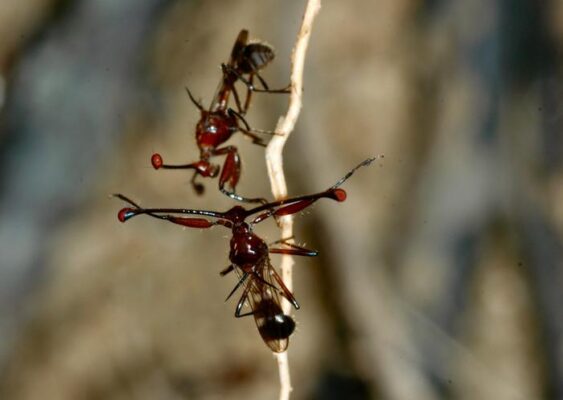
A confrontation between stalk-eyed flies. Image by Gerald Wilkinson.

Male Flies Compensate for Shorter Eyestalks with Fiercer Fighting

Planting Abies religiosa (Sacred fir) seedlings under the shade of pre-existing shrubs (Senecio cinerarioides, narrow green-greyish foliage) as protective “nurse plants”. Large trees on background are adult Pinus hartwegii, the pine that reaches the timberline. Abies religiosa is completely absent in this site at 3800 m of elevation, northeaster slope of Nevado de Toluca volcano, central Mexico, because it is too high in elevation. Planters personnel are locals of Native Indian origin.

Scientists create new overwintering sites for monarch butterflies on a warming planet

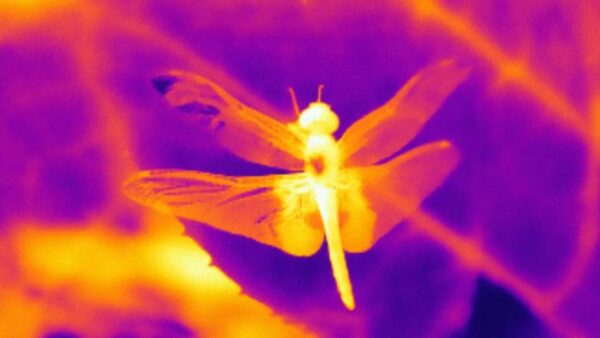
Infrared-spectrum image of an ornamented dragonfly from the genus Tramea. Lighter colors indicate hotter temperatures, ranging from 27 to 35 degrees Celsius across the image. Image: Noah Leith.

Hot Wings, Cool Evolution: Dark-Winged Dragonflies Adapt to Heat and Seduce Mates in a Warming World

man on a zoom call

Your Zoom background could influence how tired you feel after a video call

a neighborhood after midnight

Light Pollution Linked to Higher Alzheimer’s Risk, Especially in Younger Adults

Futuristic looking robot looking at a video monitor

Humans May Accept Robot Lies, Depending on the Situation

The pregnant porbeagle shark, subject of the study, after her release after tagging

Shark-Eat-Shark World: Tracking Tag Reveals Unexpected Predation of Large Porbeagle

Microwave oven

Microbes conquer the next extreme environment: Your microwave

A neighborhood with trees at night

Streetlights running all night makes leaves so tough that insects can’t eat them

Older posts
Newer posts
← Previous Page1 Page2 Page3 … Page9 Next →
Substack subscription form sign up

Comments

  • David A on Why You’re Losing Muscle on Weight Loss Drugs, and What a Gut Hormone Might Do About It
  • Marco Messina on More Than a Third of Americans Have Lost Relationships Over Politics
  • Anon on Why Fructose Behaves Less Like a Calorie and More Like a Hormone
  • Mark Mellinger on Living Plastic Can Self-Destruct on Command
  • Marie Feret on The Silent Frequency That Makes Old Buildings Feel Haunted
© 2026 ScienceBlog.com | Follow our RSS / XML feed