Skip to content
ScienceBlog.com
  • Featured Blogs
    • EU Horizon Blog
    • ESA Tracker
    • Experimental Frontiers
    • Josh Mitteldorf’s Aging Matters
    • Dr. Lu Zhang’s Gondwanaland
    • NeuroEdge
    • NIAAA
    • SciChi
    • The Poetry of Science
    • Wild Science
  • Topics
    • Brain & Behavior
    • Earth, Energy & Environment
    • Health
    • Life & Non-humans
    • Physics & Mathematics
    • Social Sciences
    • Space
    • Technology
  • Our Substack
  • Follow Us!
    • Bluesky
    • Threads
    • FaceBook
    • Google News
    • Twitter/X
  • Contribute/Contact

Frontiers In

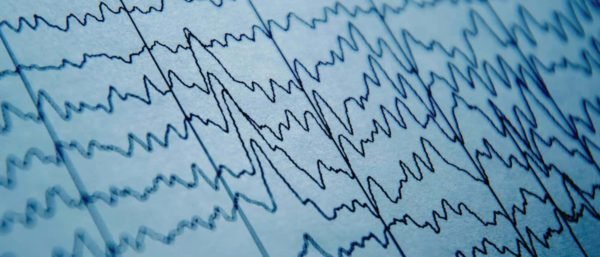
brain waves print out

Scientists Warn That Understanding Consciousness Is Now Urgent

boy singing into microphone

AI Listens for Early Signs of Cancer in the Human Voice

betel nuts

Ancient Thai Woman Chewed Psychoactive Betel Nut 4,000 Years Ago

A young male chimp feeds on woodland seeds.

Why Chimps Risk It All for Tree Food in a Barren Landscape

female college student speaking

Noon Is When Students Shine in Oral Exams, Study Finds

woman at drug store

64 Depression Supplements Tested: What Science Actually Says

cheese

Cheese Really Does Give You Nightmares, Study Confirms

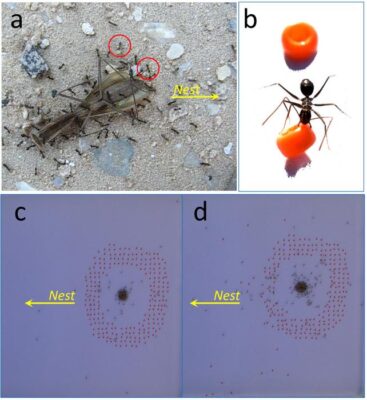
Examples of experimental set-up and close-up of collective transport of prey and of obstacle-clearing behavior

Tiny Ant Brains Create Highway Crews That Work Before Traffic Jams Happen

Cruise ship

Ship Anchors Crush 15,000-Year-Old Antarctic Sea Life

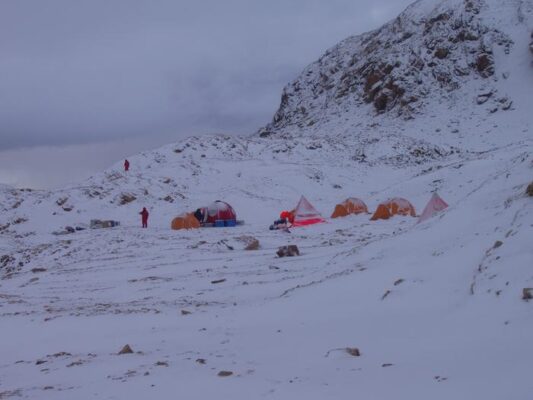
Scientists camping at the research site in East Antarctica

Hidden Life Flourishes in Antarctica’s Harshest Soils Through Unlikely Partnerships

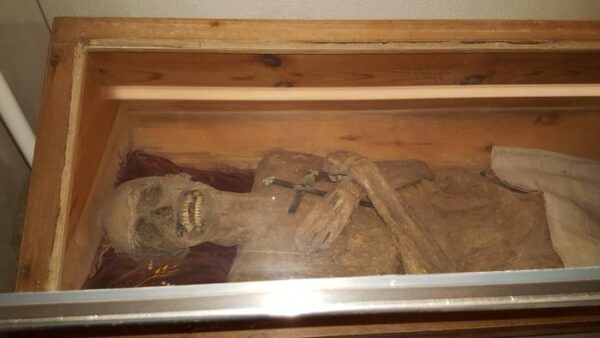
'Air-dried chaplain' mummy in the church of St. Thomas am Blasenstein, Austria.

Ancient Mummy Reveals Bizarre Rectal Embalming Technique

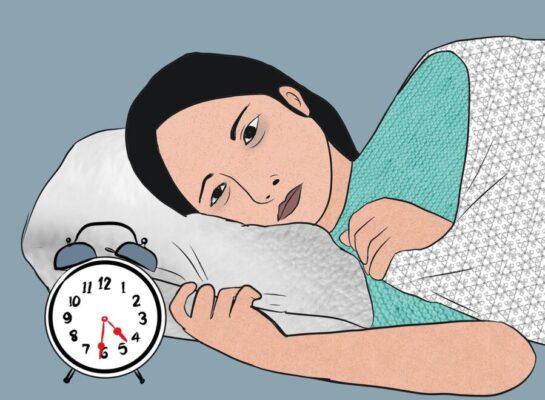
illustration of woman awake in bed

One hour’s screen use after going to bed increases your risk of insomnia by 59%, scientists find

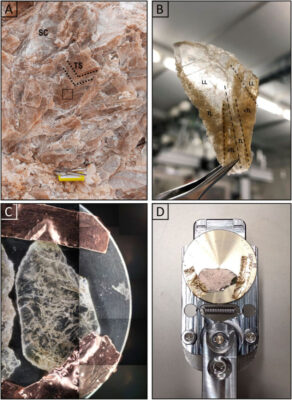
Gypsum’s crystalline facies and sample handling. Images of the studied twinned selenite crystal and of the sample preparation and handling for optical microscopy, SEM-EDX, and LIMS analyses. (A) Smal crystal selenite (SC) and decimeter-sized twinned arrow-head selenite (TS) crystals show the darker re-entrant angle of the crystals (dashed black lines). (B) Large petrographic thin section of the re-entrant angle of the twinned selenite crystal marked in the blue rectangle in (A). It shows very turbid (vTL), turbid (TL) and limpid laminations (LL). (C) Small petrographic thin section of turbid laminae fixed on the LIMS sample holder with copper tape. (D) Gold coated sample on the LIMS sample holder.

Laser-powered device tested on Earth could spot microbial fossils on Mars

Man in a wheelchair shoots a basket against friends in a basketball game

Lemonading: How Playful People Turn Life’s Adversity to Advantage

Older posts
Page1 Page2 … Page9 Next →
Substack subscription form sign up

Comments

  • David A on Why You’re Losing Muscle on Weight Loss Drugs, and What a Gut Hormone Might Do About It
  • Marco Messina on More Than a Third of Americans Have Lost Relationships Over Politics
  • Anon on Why Fructose Behaves Less Like a Calorie and More Like a Hormone
  • Mark Mellinger on Living Plastic Can Self-Destruct on Command
  • Marie Feret on The Silent Frequency That Makes Old Buildings Feel Haunted
© 2026 ScienceBlog.com | Follow our RSS / XML feed