

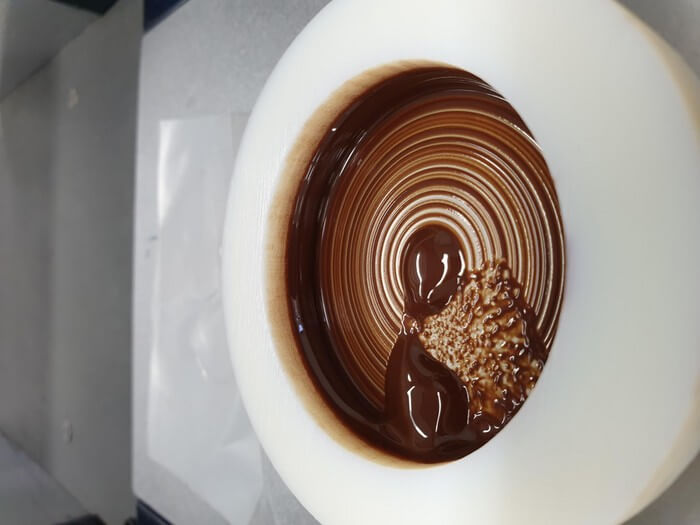
The secret to chocolate’s finest flavors may finally be under human control.
Researchers at the University of Nottingham, working with Colombian farmers, have identified how microbial communities, temperature, and pH during cocoa bean fermentation determine chocolate’s complexity and quality. Published in Nature Microbiology, the study shows that defined microbial starter cultures can replicate the sensory hallmarks of traditional fine-flavor chocolates, opening the door to standardized fermentation and consistent premium products.
Why Fermentation Matters for Flavor
Chocolate’s aroma and taste start with the cacao bean. After harvest, beans are fermented in boxes or heaps where wild microbes break down pulp and seed material. This process reduces bitterness and develops the complex notes prized in fine chocolate. Unlike wine or cheese, cocoa fermentation has long relied on spontaneous microbial activity, leaving farmers with little control. The result is wide variation across harvests, farms, and regions.
Mapping the Biology of Flavor
The Nottingham team tracked fermentations on Colombian farms, monitoring bean temperature and acidity alongside microbial DNA. They found that both abiotic factors (pH, temperature) and biotic ones (microbial composition) strongly predict flavor development. Specific bacterial and fungal groups, such as Acetobacteraceae and Saccharomycetaceae, played recurring roles in driving desirable notes like floral, caramel, and woody flavors.
- Temperature rises and pH shifts signaled microbial succession in the beans.
- Distinct microbial fingerprints at different farms correlated with flavor diversity.
- Fine-flavor beans clustered with sensory profiles from Madagascar, while bulk beans resembled Ghanaian or Ivorian samples.
From Farm to Laboratory Control
To test whether fine chocolate traits could be engineered, the researchers built a defined microbial consortium from nine bacterial and fungal strains. In controlled fermentations, this synthetic starter community reproduced the temperature and pH dynamics of farm fermentations and produced liquors with the same sensory complexity as premium Colombian and Madagascan chocolates. Trained tasting panels confirmed the resemblance.
“Just as starter cultures revolutionized beer and cheese production, cocoa fermentation is poised for its own transformation, powered by microbes, guided by data, and tailored for flavour excellence,” said Dr David Gopaulchan, University of Nottingham (University of Nottingham).
The Science of Predicting Chocolate Quality
Using machine learning and metabolic network analysis, the team showed that abiotic markers like the timing of temperature inflection points, and biotic markers like Saccharomyces growth curves, could reliably forecast flavor outcomes. Synthetic fermentations enriched volatile organic compounds known to underlie fruity and woody notes. When any strain was removed from the starter mix, flavor quality dropped, demonstrating the importance of microbial balance.
Implications for Farmers and Producers
The findings suggest a shift toward standardized, science-driven fermentation. Defined microbial starters could allow farmers to consistently achieve fine-flavor outcomes, potentially raising crop value. For chocolate makers, this offers a way to maintain consistent premium products regardless of harvest variability or geography. Like brewing and cheesemaking, cocoa could move from artisanal unpredictability to controlled excellence, while still preserving opportunities to explore novel flavor profiles.
Looking Ahead
By domesticating fermentation, the study opens possibilities for global chocolate producers to combine tradition with biotechnology. Future work may design customized starter cultures that create new flavor signatures, expanding the sensory palette of chocolate. What was once left to chance on the farm may soon become an engineered step in delivering consistent quality from bean to bar.
Journal: Nature Microbiology
DOI: 10.1038/s41564-025-02077-6