
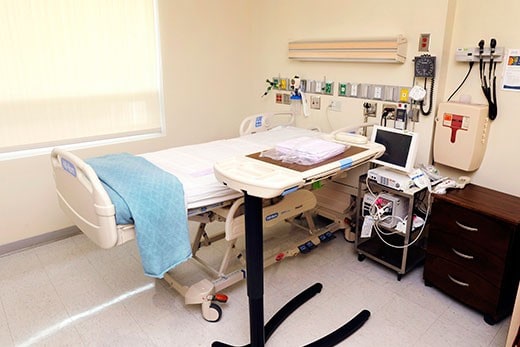
Emory Healthcare has launched an external website that will serve as a resource for health care organizations regarding best practices for safe and effective screening, diagnosis and treatment for patients with Ebola virus disease.
The new website, with the ability to freely download information, is publicly available at:www.emoryhealthcare.org/ebolaprep.
The Emory Healthcare Ebola Preparedness Protocols website includes policies, procedures and protocols developed within Emory Healthcare to enable physicians and staff to deal safely and effectively with various risk categories of patients who could be or are infected with the Ebola virus. The website will be updated as more information is available.
“Health care providers throughout the United States are very concerned about the potential spread of Ebola virus and the possible arrival of patients with Ebola virus disease at their emergency departments, hospitals and clinics,” says John Fox, President and CEO of Emory Healthcare.
“We fully acknowledge the risk factors that make this area of health care very challenging for any organization. However, we firmly believe that all of American health care needs some level of preparedness for Ebola and other types of communicable diseases that can always impact us at any point. Emory Healthcare is committed to sharing our processes and experience on how to provide safe, effective care for patients with Ebola virus disease.
The website provides guidance on initial screening of patients at all entry points into hospitals and clinics, as well as detailed protocols including confirmation of diagnosis, treatment, waste management, clinical laboratories, advanced supportive care, potential complications and discharge. The website also includes a detailed description of the components and appropriate use of personal protective equipment (PPE), correct methods of donning and doffing, and proper disposal of PPE.
ScienceBlog.com has no paywalls, no sponsored content, and no agenda beyond getting the science right. Every story here is written to inform, not to impress an advertiser or push a point of view.
Good science journalism takes time — reading the papers, checking the claims, finding researchers who can put findings in context. We do that work because we think it matters.
If you find this site useful, consider supporting it with a donation. Even a few dollars a month helps keep the coverage independent and free for everyone.