

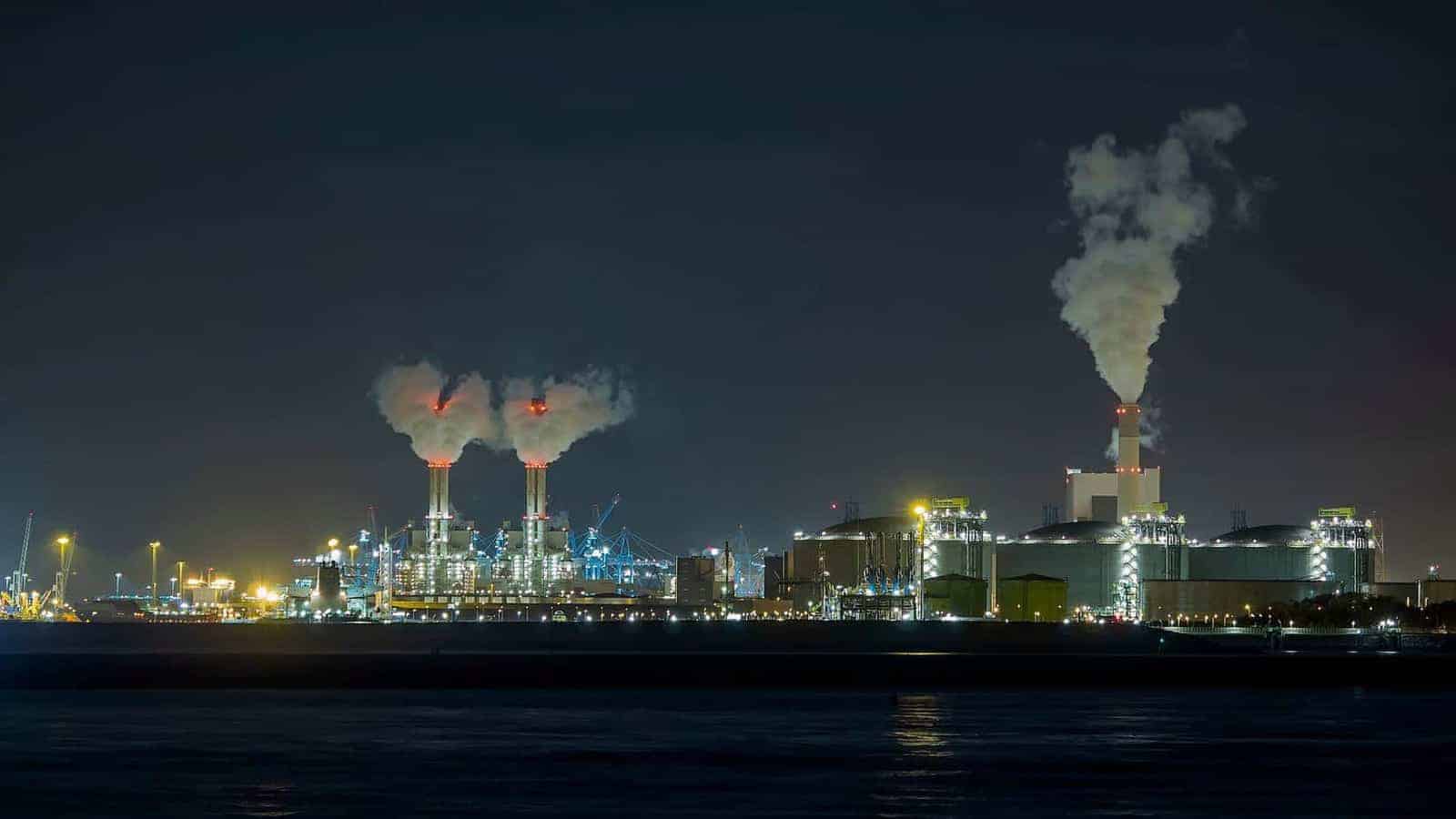
Within weeks of the 2016 shutdown of the Shenango coke plant near Pittsburgh, respiratory emergency room visits among nearby residents dropped by 20 percent and pediatric asthma visits fell by over 40 percent, according to a new peer-reviewed study in the American Journal of Respiratory and Critical Care Medicine. Researchers say the findings offer rare, real-world evidence of the health benefits that come with curbing fossil fuel emissions.
Tracking Health Before and After a Major Air Pollution Source Closed
The Shenango plant, located on an island in the Ohio River, had long been a major source of fossil fuel–related air pollution in the region. Researchers at NYU Grossman School of Medicine analyzed three years of emergency department and hospitalization data from zip codes surrounding the facility, using an interrupted time series model to compare respiratory trends before and after the plant’s closure in January 2016.
They found immediate and sustained improvements:
- 20.5% drop in weekly respiratory-related ER visits
- 41.2% drop in pediatric asthma ER visits in the first month
- Continued 4% monthly decline in pediatric asthma visits thereafter
- Longer-term decreases in COPD hospitalizations
Cleaner Air, Healthier Lungs
“The adverse reductions in respiratory health effects were much greater than expected, based on past studies of general air pollution in the U.S., indicating that emissions from such fossil fuel related sources are especially toxic,” said senior author George Thurston, ScD.
Lead author Wuyue Yu, PhD, emphasized the unique opportunity the plant’s abrupt closure presented. “By tracking health outcomes before and after the coke plant closure, we were able to isolate the effects of reduced air pollution and observe that cleaner air translates into fewer respiratory emergency visits and hospitalizations.”
Why This Study Matters
Many studies have linked long-term air pollution exposure to chronic respiratory illness, but few have had the opportunity to observe an abrupt, large-scale decrease in emissions. This “natural experiment,” as the researchers describe it, strengthens the case for tighter regulation of fossil fuel industries, especially those located near communities.
The study also used internal control outcomes and comparison sites to confirm that the health improvements were specific to respiratory conditions and not driven by unrelated health trends or seasonal variation.
Public Health Implications
These findings suggest that communities living near fossil fuel infrastructure may experience substantial and rapid health benefits when pollution sources are removed. The researchers and the American Thoracic Society continue to advocate for environmental protections to support respiratory health, particularly in vulnerable populations such as children and the elderly.
Journal: American Journal of Respiratory and Critical Care Medicine
DOI: 10.1164/rccm.20240722.0123OC