

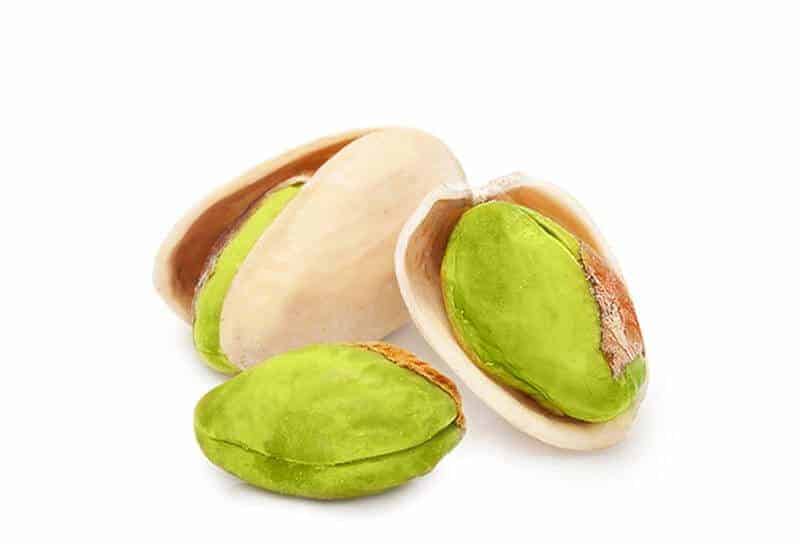
Swapping traditional carbohydrate-based bedtime snacks for pistachios could reshape the gut microbiome in adults with prediabetes, according to research published in Current Developments in Nutrition.
The study reveals how pistachios might offer an alternative to standard dietary recommendations for managing blood sugar levels.
Researchers at Penn State University found that consuming about two ounces of pistachios nightly for 12 weeks significantly altered the gut bacterial community compared to consuming the recommended 15-30 grams of carbohydrates (equivalent to one or two slices of whole grain bread).
“Pistachios seem to be able to meaningfully shift the gut microbial landscape in adults with prediabetes especially when consumed as a nighttime snack,” explains Kristina Petersen, associate professor of nutritional sciences at Penn State and senior author of the study.
Beneficial bacteria flourish with pistachio consumption
The research team analyzed stool samples from 51 adults with prediabetes who participated in a randomized crossover trial. Each participant completed both a 12-week pistachio intervention and a 12-week period following standard dietary recommendations for nighttime snacking.
The study revealed that pistachio consumption increased the abundance of several beneficial bacterial groups while reducing potentially harmful ones. Most notably, researchers observed higher levels of:
- Roseburia bacteria, important producers of butyrate—a short-chain fatty acid that provides energy to colon cells
- Lachnospiraceae UCG-004 and UCG-008, bacterial families associated with gut health
- Other microbes linked to improved metabolic function
Simultaneously, pistachios reduced levels of less favorable bacteria, including Blautia hydrogenotrophica (which produces compounds linked to kidney and heart issues) and Eubacterium flavonifractor (which breaks down beneficial antioxidants from foods).
Microbiome changes without immediate metabolic impact
While the study clearly demonstrated shifts in gut bacteria, these changes did not immediately translate to improvements in blood glucose control or other metabolic measurements. A previous analysis from the same trial found that pistachios and carbohydrate snacks had similar effects on blood glucose levels.
“These microbiome changes may offer other long-term health benefits—potentially helping to slow the development of Type 2 diabetes or to reduce systemic inflammation—which we hope to explore in future research,” Petersen noted.
The study used 16S rRNA gene sequencing to analyze the bacterial communities, allowing researchers to identify specific changes in the gut microbiome. This approach revealed not just simple increases or decreases in bacteria, but shifts in the entire microbial ecosystem.
A different approach to nighttime snacking
The findings offer a potential alternative to standard dietary advice for the one-third of Americans with prediabetes. Traditional recommendations often suggest consuming carbohydrates before bed to help regulate overnight and morning blood glucose levels.
Lead author Terrence Riley, who conducted the research while earning his doctorate at Penn State, points out the practical implications: “A common dietary recommendation for individuals with prediabetes is to consume a nighttime snack consisting of 15 to 30 grams of carbohydrates to help regulate overnight and morning blood glucose levels.”
The strength of this research lies in its design—a randomized crossover trial where all participants received both treatments in random order. This approach allowed researchers to isolate the effects of pistachios while controlling for individual differences in gut microbiome composition, which can vary widely between people.
While more research is needed to understand the long-term health implications of these microbiome changes, the study provides promising evidence that simple dietary swaps might meaningfully influence gut bacteria in ways that could support metabolic health.