

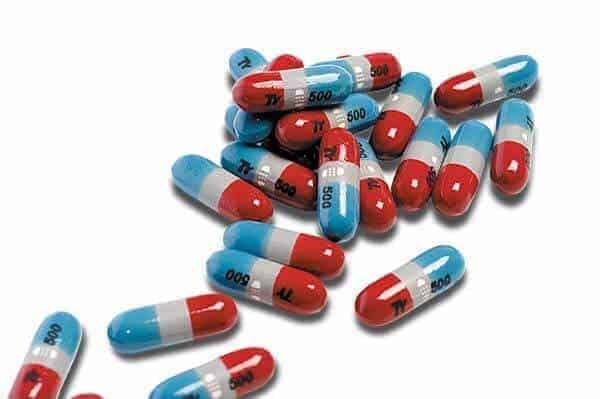
Two of the world’s most trusted painkillers, ibuprofen and paracetamol, may be quietly helping bacteria outsmart antibiotics.
In a first-of-its-kind experimental study, researchers at the University of South Australia showed that the two drugs, widely used in aged care, significantly increase genetic mutations in Escherichia coli, boosting its resistance to ciprofloxacin and other antibiotics. The findings, published August 25 in npj Antimicrobials and Resistance, suggest that common over-the-counter medications could be complicating one of modern medicine’s most urgent threats: antimicrobial resistance.
When Non-Antibiotics Act Like Antibiotics
Antibiotic resistance has long been linked to overuse of antibiotics, but this study reveals that non-antibiotic medications (NAMs) may also play a hidden role. Researchers tested nine commonly used drugs at gut-relevant concentrations, including ibuprofen, paracetamol, diclofenac, atorvastatin, and metformin, alongside ciprofloxacin. The experiments focused on E. coli strains isolated from both lab and aged care settings. While most drugs had little effect, ibuprofen and paracetamol markedly increased bacterial survival and mutation rates, accelerating the development of resistance.
“Antibiotic resistance isn’t just about antibiotics anymore,” said Associate Professor Rietie Venter of UniSA. “We need to carefully consider the risks of using multiple medications, particularly in aged care.”
The Efflux Pump Effect
Genomic analysis revealed that ibuprofen and paracetamol activated the bacterial AcrAB-TolC efflux pump, a defense system that expels antibiotics from the cell. Mutations in regulatory genes such as MarR and AcrR were found to drive this overexpression. This mechanism not only helped bacteria survive ciprofloxacin but also made them less susceptible to multiple drug classes, including β-lactams and tetracyclines. In some cases, resistance levels increased more than 30-fold.
Risks in Aged Care Settings
The findings are particularly concerning for residential aged care facilities, where polypharmacy is common and antibiotics are frequently prescribed to treat urinary tract and respiratory infections. The study showed that combining two NAMs, such as ibuprofen and paracetamol, produced even more resistant strains than either drug alone. As older adults often take several medications daily, these interactions may inadvertently create reservoirs of resistant bacteria in vulnerable populations.
Key Findings
- Sample: E. coli BW25113 (lab strain) and E. coli 6146 (clinical isolate from aged care resident)
- Location: University of South Australia, Adelaide
- Medications tested: Nine NAMs, including ibuprofen, paracetamol, diclofenac, atorvastatin, furosemide, metformin
- Effect: Ibuprofen and paracetamol increased mutation frequency and ciprofloxacin resistance up to 32-fold
- Mechanism: Mutations in MarR, AcrR, and GyrA, leading to overexpression of AcrAB-TolC efflux pumps
- Polypharmacy risk: Two NAMs combined with ciprofloxacin produced even higher resistance
Implications for Drug Safety
While the study does not suggest abandoning these painkillers, it highlights the need for caution in prescribing practices, especially in settings where antibiotics and multiple medications are used together. The World Health Organization warns that antimicrobial resistance already causes over a million deaths annually. These new findings indicate that the fight against superbugs must also consider the silent influence of non-antibiotic drugs on microbial evolution.
Takeaway
Common painkillers like ibuprofen and paracetamol can accelerate the development of antibiotic resistance in E. coli when combined with antibiotics. The study highlights the overlooked role of non-antibiotic medications in antimicrobial resistance and raises urgent questions about polypharmacy, particularly in aged care environments.
Journal: npj Antimicrobials and Resistance
DOI: 10.1038/s44259-025-00144-w