
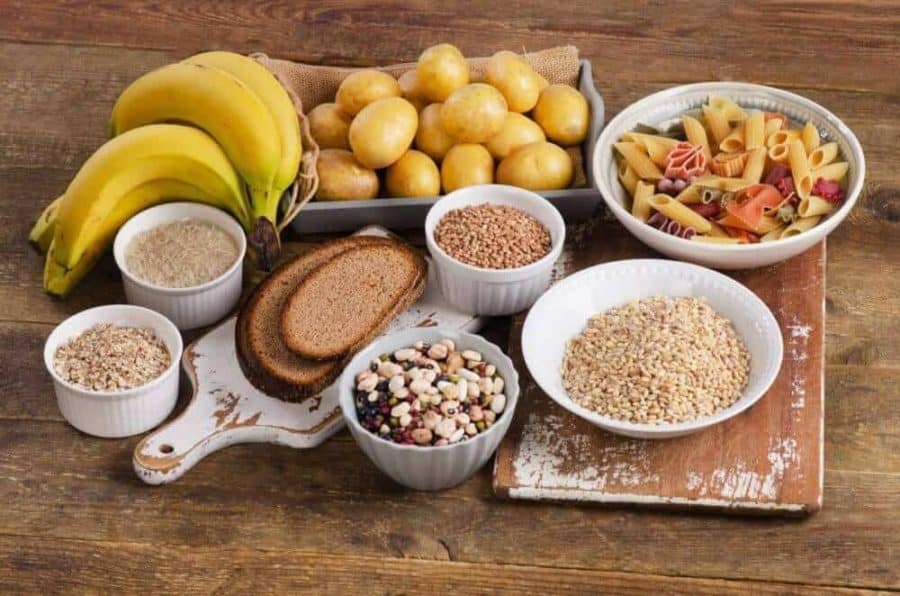
A new comprehensive review examines the potential health benefits of resistant starch, a form of starch that is not digested in the small intestine and is therefore considered a type of dietary fibre. Some forms of resistant starch occur naturally in foods such as bananas, potatoes, grains, and legumes, and some are produced or modified commercially and incorporated into food products.
There has been increasing research interest in resistant starch, with a large number of human studies published over the last 10 years looking at a variety of different health outcomes such as postprandial glycaemia, satiety, and gut health. The review summarises reported effects and explores the potential mechanisms of action that underpin them. For example, there is consistent evidence that consumption of resistant starch can aid blood sugar control. It has also been suggested that resistant starch can support gut health and enhance satiety via increased production of short chain fatty acids.
“We know that adequate fibre intake–at least 30 g per day–is important for achieving a healthy, balanced diet, which reduces the risk of developing a range of chronic diseases. Resistant starch is a type of dietary fibre that increases the production of short chain fatty acids in the gut, and there have been numerous human studies reporting its impact on different health outcomes,” said Dr. Stacey Lockyer, co-author of the Nutrition Bulletin review. “Whilst findings support positive effects on some markers, further research is needed in most areas to establish whether consuming resistant starch can confer significant benefits that are relevant to the general population; however this is definitely an exciting area of nutritional research for the future.”
ScienceBlog.com has no paywalls, no sponsored content, and no agenda beyond getting the science right. Every story here is written to inform, not to impress an advertiser or push a point of view.
Good science journalism takes time — reading the papers, checking the claims, finding researchers who can put findings in context. We do that work because we think it matters.
If you find this site useful, consider supporting it with a donation. Even a few dollars a month helps keep the coverage independent and free for everyone.