

A forgotten class of synthetic opioids, shelved since the 1950s and deemed too dangerous for human use, has quietly infiltrated America’s illicit drug supply with devastating consequences. Nitazenes, substances originally developed as potential painkillers but never approved for clinical use, are now claiming lives across the country while flying under the radar of standard drug detection methods.
These synthetic compounds pack a punch that dwarfs even fentanyl’s lethal potency. While fentanyl has become synonymous with the overdose crisis, nitazenes are over 20 times more powerful and hundreds to thousands of times more potent than morphine. The comparison is sobering: if fentanyl is a sledgehammer, nitazenes are a wrecking ball.
Hidden in Plain Sight
What makes nitazenes particularly insidious is their invisibility. Unlike other opioids, these substances often escape detection on routine toxicology screens, creating a blind spot for emergency responders and medical professionals treating overdose patients. This diagnostic gap can prove fatal when every minute counts.
“For patients, especially those with opioid use disorder or those exposed to illicit substances, nitazenes pose a serious and often hidden threat. Because these drugs may not show up on routine toxicology screens, clinicians could miss a critical piece of the diagnosis during overdose treatment.”
Dr. Shravani Durbhakula, associate professor of Anesthesiology at Vanderbilt University Medical Center, co-authored a comprehensive review published in Pain Medicine that examines the emerging threat. Her research team’s findings paint a troubling picture of how these substances have embedded themselves in the drug supply since 2019.
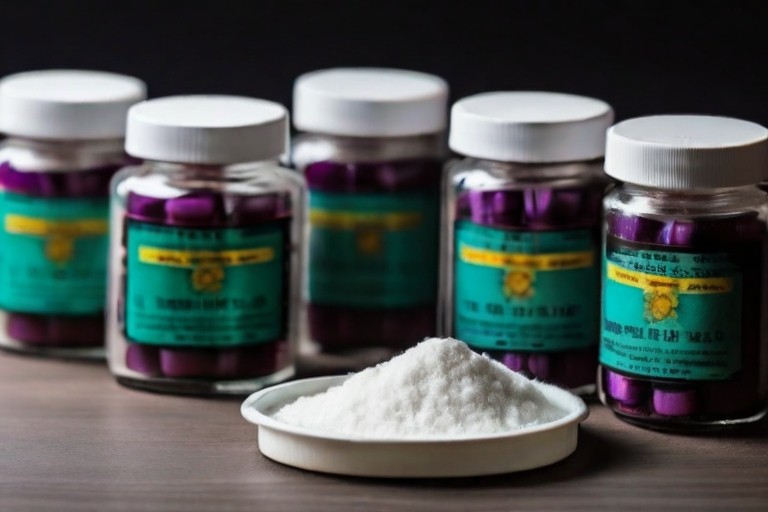
The drugs appear in various forms – liquid, pills, or powder – and have been detected in substances sold through social media platforms and traditional street markets. Most users have no idea they’re consuming nitazenes, as the drugs are frequently mixed into counterfeit pills or used as adulterants in other substances.
Tennessee’s experience offers a window into the scope of the problem. The state’s Unintentional Drug Overdose Reporting System identified 92 nitazene-involved fatal overdoses among residents between 2019 and 2023. In every single case, the nitazenes were combined with other substances, most commonly fentanyl and methamphetamine, creating a particularly lethal cocktail.
The statistics reveal another alarming trend: naloxone, the overdose-reversing drug that has saved countless lives during the opioid crisis, was administered in only one-third of nitazene-involved deaths in Tennessee. This low usage rate may reflect both the hidden nature of nitazene consumption and the drug’s resistance to standard naloxone dosing.
An Invisible Enemy
“Many people consuming nitazenes don’t even know they’re taking them. These substances are often adulterants in pills sold as other opioids, making public education more important than ever.”
Durbhakula emphasizes that addressing this challenge requires more than just medical intervention. The complexity of the nitazenes threat demands a multi-pronged approach involving healthcare providers, public health officials, law enforcement, and community organizations working in concert.
The medical response is already adapting. Healthcare providers are learning that patients who have consumed nitazenes may require higher or repeated doses of naloxone to reverse overdose effects. This knowledge could be lifesaving for emergency responders encountering these substances in the field.
Dr. Ryan Mortman, a resident at the University of Pittsburgh Medical Center who served as corresponding author on the review, stresses the urgency of the situation. The rapid spread of nitazenes in illicit markets, combined with their resistance to standard overdose reversal protocols, represents a significant escalation in the ongoing drug crisis.
Research teams are now working to develop more sensitive detection methods, including specialized test strips that can identify nitazenes specifically. These tools could prove crucial for both harm reduction efforts and clinical diagnosis.
The story of nitazenes also highlights the unpredictable nature of the modern drug supply. Substances originally synthesized decades ago in legitimate pharmaceutical research can resurface years later in completely different contexts. What began as potential medicine has transformed into a public health emergency, demonstrating how the illicit drug market continues to evolve and adapt.
As researchers work to better understand nitazenes’ long-term health impacts, metabolism patterns, and optimal treatment protocols, the immediate focus remains on awareness and prevention. The invisible nature of these substances makes them particularly dangerous, turning routine drug purchases into potentially fatal gambles.
The nitazenes crisis serves as a stark reminder that the opioid epidemic continues to evolve, presenting new challenges even as communities work to address existing ones.